What is PTW? Understanding the Permit to Work Meaning in Construction
by Sam Chen
|
A single missing signature on a high-risk permit isn't just a clerical error; it's a $50,000 fine waiting to happen under modern WSH regulations. Managing high-risk activities like hot work or confined space entry often feels like drowning in a sea of manual paperwork. You know that understanding the deep PTW meaning and its real-time validity is critical for site safety, yet the administrative lag between the field and the office remains a constant bottleneck for most project managers. It's time to bridge that gap and regain control over your site workflows.
You shouldn't have to choose between speed and safety. This guide will help you master the essentials of Permit to Work (PTW) systems to ensure total regulatory compliance and operational efficiency. You'll learn how to slash permit processing time by 40% and eliminate the risk of non-compliance through centralized tracking. We'll break down the core components of an effective PTW system, explore digital tracking strategies, and show you how to establish a single source of truth that keeps your workforce protected and your projects on schedule.
Key Takeaways
Define the PTW meaning to establish a clear safety agreement between those authorizing work and the crews executing high-risk tasks.
Identify essential permit types, from Hot Work to Confined Space Entry, to ensure your site remains compliant and secure.
Eliminate administrative lag by moving beyond physical paper systems that hide critical risks from management.
Centralize your safety records by linking digital permits directly to your site diary for a single source of truth.
Automate compliance reporting with one-click data generation, bridging the gap between field reality and office oversight.
Integrating PTW into Your Digital Site Diary for Maximum Efficiency
Paper-based permit systems create dangerous information silos. Integrating your permits into a digital site diary establishes a single source of truth for the entire project. When you link records directly to the daily log, you ensure safety data stays visible. Understanding the PTW meaning in a modern context requires looking at how data flows from the hazard zone to the project office. This integration eliminates the lag between identifying a risk and documenting the mitigation.
Digital systems provide high-level accountability that paper cannot match. Automated GPS tags and digital timestamps verify that a supervisor was physically present on-site before signing off. This data provides 100% transparency for auditors and stakeholders. A clear grasp of the PTW meaning ensures that every worker knows the boundaries of their safety clearance. The office sees exactly which high-risk activities are active in real-time. It bridges the gap between field reality and corporate oversight, ensuring no permit expires without notice.
Centralized Safety: Connect every permit to specific daily activities for better context.
Automated Reporting: Generate compliance summaries in seconds instead of hours.
Verified Compliance: Use location data to confirm on-site inspections actually happened.
Real-Time Visibility: Give the office an instant view of active field hazards.
Streamlining Safety with GoBuid
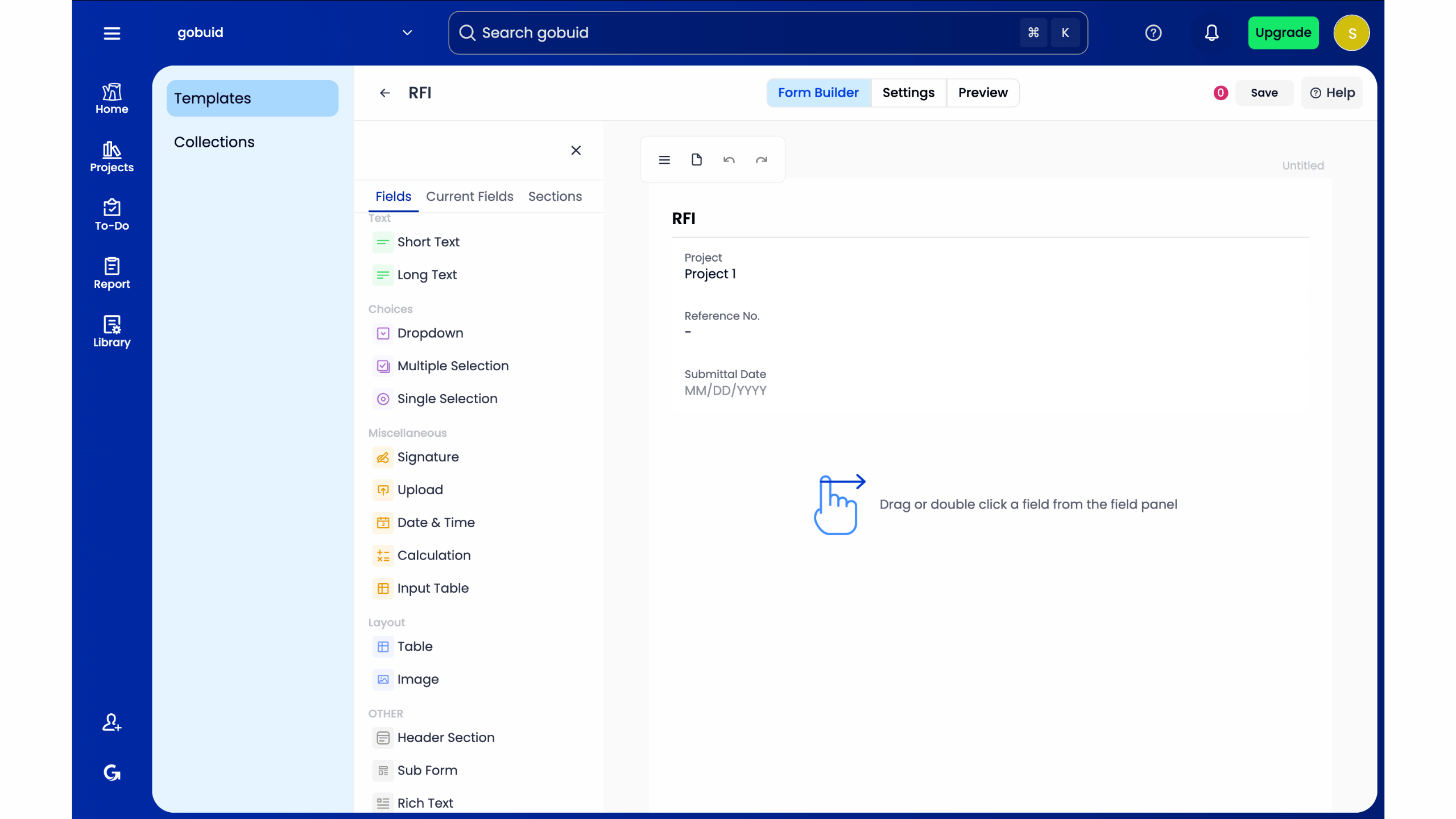
Use customised forms to build PTW templates that reflect your specific site requirements. Whether it's hot work or confined space entry, the digital format ensures every mandatory field is completed. Stakeholders receive professional safety reports instantly, removing the need for manual data entry at the end of the week. GoBuid reduces admin time by 40% through automated reporting.
Next Steps for Site Managers
Review your current workflow. Identify how many hours your team spends chasing paper signatures or scanning documents into folders. If your turnaround time for a permit exceeds 30 minutes, you've found a bottleneck. Check out GoBuid Pricing for a no-lock-in contract solution to digitize your site. Start moving your safety documentation from the filing cabinet to the cloud today.
What is the PTW Meaning in Construction and Safety?
Construction sites are volatile environments. Standard operating procedures often fall short when tasks become non-routine or exceptionally dangerous. The Permit-to-work (PTW) system is a formal, documented process used to control these high-risk activities. It functions as a binding safety agreement between the manager authorizing the work and the crew executing it. Understanding the PTW meaning is fundamental for project leads who prioritize site visibility and worker protection.
In Singapore, this system is a regulatory pillar. The Workplace Safety and Health (WSH) Act mandates PTW systems for activities like confined space entry or hot work. Compliance isn't just about avoiding fines; it's about establishing a single source of truth for site safety. When you define the PTW meaning in your organization, you're setting a standard for accountability that protects both lives and project timelines.
To better understand how this system functions on a live site, watch this helpful video:
The Core Purpose of a PTW System
A PTW system identifies foreseeable hazards before a single tool touches the ground. It goes beyond identifying risks; it mandates specific control measures and emergency protocols for high-risk zones. This process ensures only competent, trained personnel enter dangerous areas. You aren't just checking boxes. You're verifying that the environment is safe for human entry and operation. It bridges the gap between the office safety manual and the rugged reality of the field.
PTW vs. Standard Safety Checklists
Don't confuse a permit with a checklist. A checklist confirms that specific steps were followed. A permit authorizes the specific start and end of hazardous work. It requires formal sign-off from three distinct stakeholders: the Issuer, the Performer, and the Supervisor. This creates a clear chain of accountability. If conditions change, the permit becomes void immediately. It's a live, centralized document that ensures everyone stays informed in real-time.
Common Types of Permit to Work and Their Components
A standard safety policy isn't enough for high-risk construction tasks. To fully grasp the PTW meaning , you must identify the specific activities that demand these rigorous controls. These documents act as a final barrier between a routine task and a catastrophic incident. They ensure that specialized hazards are met with specialized precautions.
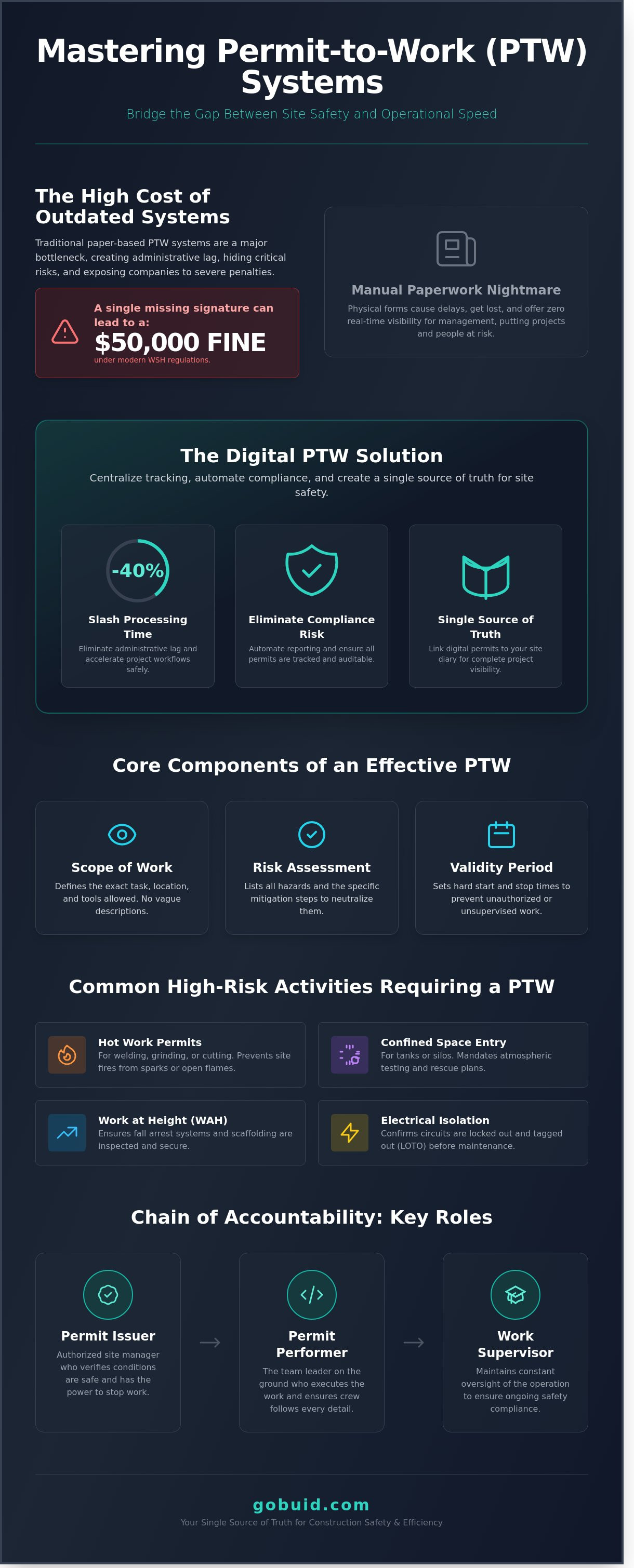
Hot Work Permits: These cover welding, grinding, or cutting. Any activity generating sparks or open flames requires a dedicated permit to prevent site fires.
Confined Space Entry: Work in tanks, manholes, or silos involves oxygen deficiency or toxic gas risks. These permits mandate atmospheric testing and rescue plans before entry.
Work at Height (WAH): Falls remain a primary cause of site fatalities. A WAH permit ensures fall arrest systems and scaffolding are inspected and secure.
Electrical Isolation: Maintenance on live systems is lethal. This permit confirms circuits are locked out and tagged out before any tool touches a wire.
Key Elements of a PTW Document
Every permit must be precise. The Scope of Work defines the exact task, location, and tools allowed. Vague descriptions lead to accidents. A robust Risk Assessment lists every hazard and the specific mitigation steps taken to neutralize them. Finally, the Validity Period sets hard start and stop times. This prevents unauthorized work after hours when supervision is low. Adhering to these key principles in permit to work systems ensures your site stays compliant and your crew stays safe.
Roles and Responsibilities in the PTW Workflow
Accountability drives safety. The Permit Issuer is the authorized site manager who verifies all conditions are safe. They hold the power to stop work instantly. The Permit Performer is the team leader on the ground. They execute the work and ensure the crew follows every permit detail. The Work Supervisor maintains constant oversight. They bridge the gap between the office and the field, ensuring rules don't just stay on paper. You can centralize these roles within a digital platform to eliminate the lag and confusion of paper-based approvals.
Understanding the PTW meaning is about recognizing that safety is a shared responsibility. When roles are clearly defined, the risk of miscommunication drops. This structure provides the visibility needed to manage multiple high-risk tasks simultaneously without losing control of the site.
Why Traditional Paper PTW Systems Fail Modern Construction
Paper-based systems cannot keep pace with the 24/7 demands of high-rise or infrastructure projects. When you analyze the PTW meaning in a practical context, it represents a commitment to safety that paper often fails to uphold. Physical permits frequently sit in a foreman's truck or get lost in transit between the field and the site office. This administrative lag creates a dangerous blind spot where high-risk work begins before the safety manager even knows the permit exists.
Manual filing also presents severe legal vulnerabilities. In Singapore, BCA or MOM inspectors require immediate access to legible, valid documentation. A single missing signature or an expired permit can result in stop-work orders or heavy fines. Following the OSHA permitting process is essential for compliance, but manual systems make it nearly impossible to track every requirement across 50 or 100 active permits. Data shows that 20% of safety incidents involve expired permits or missing signatures in manual systems.
The Administrative Cost of Manual Safety Documentation
Foremen often lose 15% of their weekly productivity to administrative tasks. Instead of supervising critical lifts or excavation, they're chasing wet signatures across sprawling sites. Storing thousands of paper sheets for a five-year project creates a logistical nightmare during closeouts. Modern teams use GoBuid Features to digitize these forms, reclaiming hours of field supervision time every week.
Moving Toward a Digital Site Safety Culture
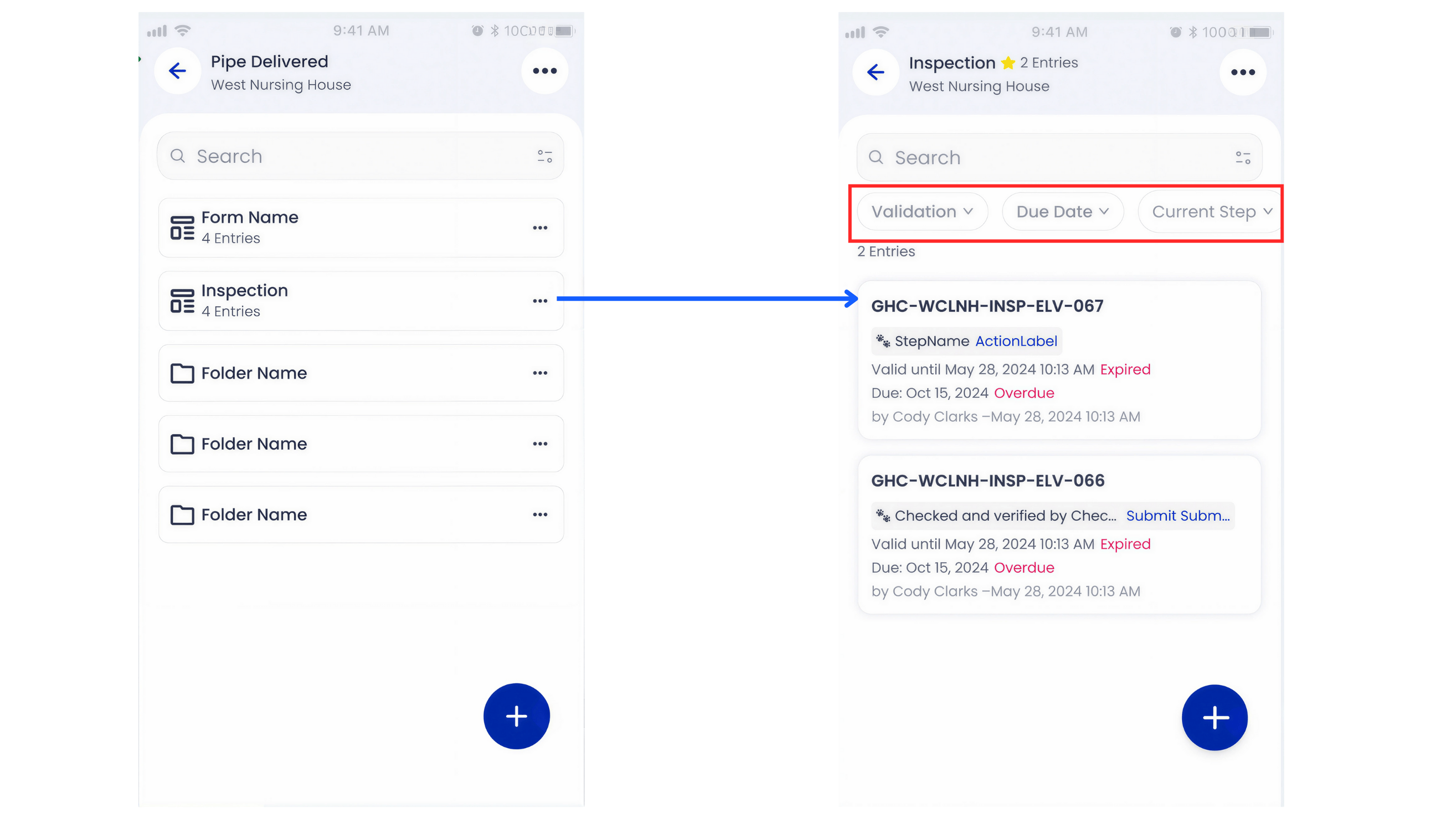
Digital systems provide a single source of truth for every active permit in your national portfolio. You gain real-time visibility into high-risk activities without leaving the office. Automated alerts notify safety officers 30 minutes before a permit expires, preventing unauthorized work. This shift eliminates human error and ensures that the PTW meaning remains focused on protection, not paperwork. Centralized dashboards allow management to see active high-risk permits across multiple sites instantly.
Take Control of Your Project Compliance
Understanding the full PTW meaning goes beyond filing paperwork. It's a high-stakes safety mechanism that dictates how your crew handles high-risk tasks on a live site. Traditional paper systems fail because they're slow, prone to loss, and create dangerous information gaps between stakeholders. By moving your Permit to Work into a digital site diary, you ensure every authorization is tracked and visible in real-time. This shift bridges the gap between field reality and office oversight. It turns safety from a bottleneck into a streamlined asset that protects your workforce and your timeline.
Leading Singaporean contractors already use GoBuid to maintain this level of precision across every project. Our platform integrates your PTW and site diary into a single, centralized source of truth. You don't have to worry about complex transitions or long-term risks; we offer no lock-in contracts to keep your operations flexible and lean. It's time to ditch the clipboards for a tool that offers genuine site visibility. Streamline your site safety with GoBuid's one-click reporting and start building with more confidence. Efficiency isn't just a goal, it's a standard you can reach today.
Frequently Asked Questions
Is a Permit to Work (PTW) legally required in Singapore?
Yes, a PTW is a legal mandate under the Workplace Safety and Health (Construction) Regulations 2007 for specific high-risk activities. These activities include demolition, tunneling, and work involving hazardous substances. Failing to implement a robust permit system violates Ministry of Manpower (MOM) standards. It puts your project at risk of immediate stop-work orders and heavy financial penalties.
What happens if work continues after a PTW expires?
All site activities must cease immediately because working on an expired permit is a major safety violation. Under the WSH Act, continuing unauthorized work can lead to corporate fines of up to $20,000 for a first-time offense. You've got to re-evaluate the site conditions and renew the documentation. This ensures the original risk assessment still applies to the current environment.
Can a PTW be issued for more than one day?
No, a PTW is typically valid for only a single shift or a maximum of 24 hours. Site conditions change fast, and daily re-issuance is the industry standard for maintaining control. This frequency forces a fresh inspection of the work area. It ensures that safety measures, like gas levels or structural stability, remain effective for the specific duration of the task.
Who is responsible if an accident occurs under an active PTW?
The Occupier and the Employer bear the primary legal responsibility under the Workplace Safety and Health Act. While the permit assigns specific duties to the Supervisor and Safety Assessor, the organization stays accountable for the entire safety system. Investigators will scrutinize the risk management process to see if the permit accurately identified hazards before the incident occurred.
How does digital PTW software improve BCA compliance?
Digital software creates a centralized, time-stamped audit trail that eliminates manual filing errors and missing signatures. When you grasp the PTW meaning in a digital context, you move from chaotic paperwork to a single source of truth. Using an automated system reduces documentation gaps by 95%. This provides real-time visibility that satisfies both Building and Construction Authority (BCA) and MOM inspectors during surprise site visits.