How to Prevent Construction Claims with Documentation: A Practical Guide
Don't let disputes drain your profits. Learn how to prevent construction claims with documentation using digital tools for a bulletproof record of your project.
by Sheldon Huang
|
With average project margins dropping to 3.1% in 2026, you cannot afford a single undocumented dispute. When 41% of liability claims stem from subcontractor work, a "he-said-she-said" argument isn't just a headache; it's a direct financial threat. Most contractors view paperwork as a burden, but learning how to prevent construction claims with documentation is the only way to protect your bottom line. You need a system that captures reality in real time, leaving no room for interpretation or missed payments.
It is frustrating to lose money on unproven change orders or deal with inconsistent field reports that fail when scrutinized. You deserve a workflow that provides total transparency and accountability across every project. This guide shows you how to operationalize your site documentation to create a bulletproof defense against expensive construction disputes. We will explore how to leverage digital site diaries, automated manpower tracking, and progress photos to build a definitive audit trail. You will learn the practical steps to ensure faster resolutions, reduced legal fees, and protected profit margins.
Key Takeaways
- Shift from reactive paperwork to proactive data management to close the gap between site events and official records.
- Establish a digital site diary as your primary source of truth to master how to prevent construction claims with documentation.
- Link structured visual evidence directly to daily events to create an indisputable record of site progress and conditions.
- Utilize project analytics dashboards to spot negative productivity trends and resolve conflicts before they reach litigation.
- Adopt real-time reporting to maintain stakeholder transparency and remove the uncertainty that fuels expensive disputes.
- ⭐ Learn more about GoBuid's feature - without the heavy enterprise price tag
Table of Contents
-
Why Construction Dispute Avoidance Strategies Start in the Field
-
3 Operational Pillars for Preventing Construction Claims with Documentation
-
Operationalizing Avoidance: Proactive Risk Management Through Data
Why Construction Dispute Avoidance Strategies Start in the Field
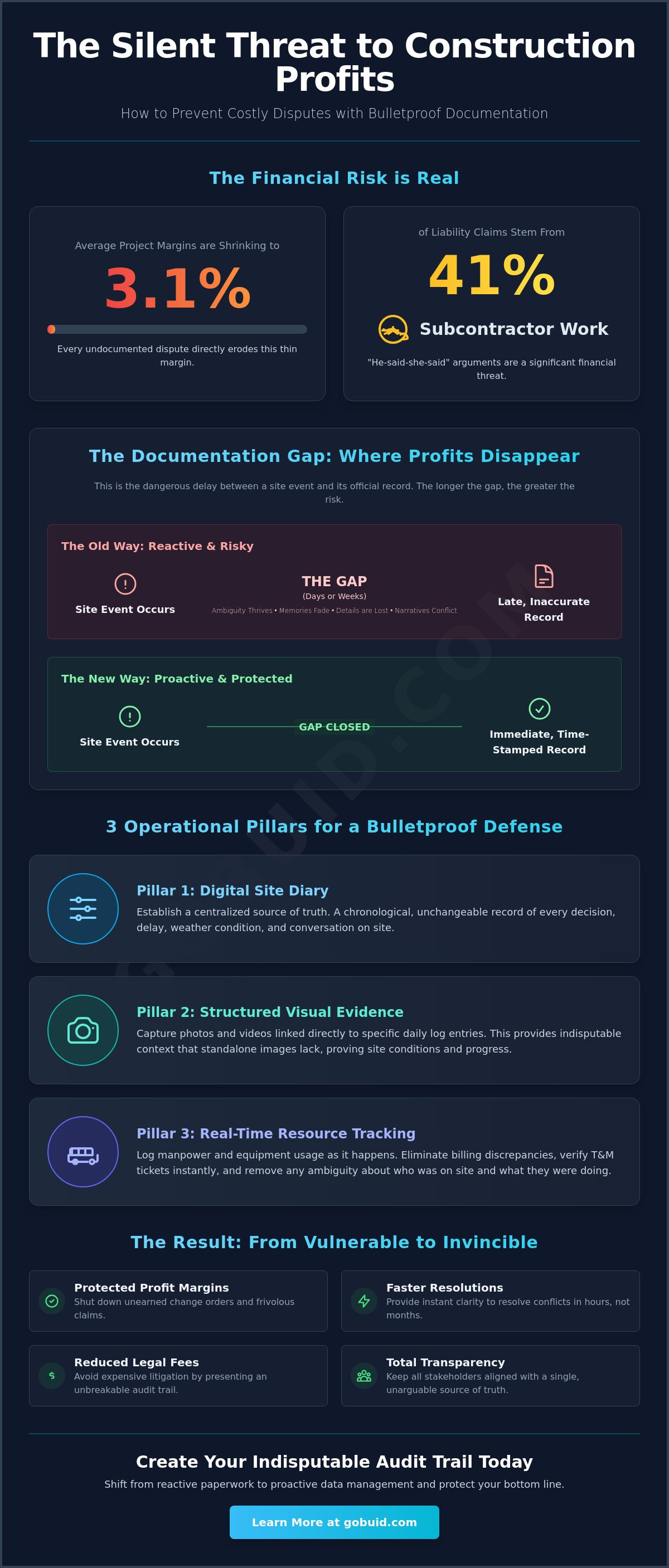
Dispute avoidance is the proactive management of site data to eliminate ambiguity. It's not a legal maneuver; it's an operational standard. When you master how to prevent construction claims with documentation, you close the "Documentation Gap." This is the dangerous delay between a site event and its official record. Ambiguity thrives in that gap. The longer you wait to record a delay or a change in scope, the more room there is for conflicting narratives. Factual integrity in your daily logs removes the leverage aggressive claimants need to push unearned change orders.
To better understand the common claim types that impact projects, watch this helpful breakdown:
The Documentation Gap often spans days or weeks. By then, memories fade and details get lost. Digital tools eliminate this risk by allowing for immediate entry and time-stamped updates. This immediacy acts as a powerful litigation deterrent. When subcontractors and owners know every action is logged with objective evidence, they're less likely to submit inflated or fraudulent claims. Transparency between the field and the office ensures that everyone operates from a single version of the truth. To further strengthen this process, you can learn more about byNow - Bezpieczna platforma wymiany dokumentów i wysyłki dokumentów to see how secure digital document delivery provides a modern alternative to traditional mail.
The Financial Impact of Construction Litigation
Litigation drains your resources quickly. Beyond direct legal fees, disputes cause massive schedule delays and damage your professional reputation. "Soft disputes" are particularly toxic. These minor disagreements never reach a courtroom but erode your already thin 3.1% profit margin through administrative bloat. Every hour your team spends arguing over a poorly documented event is an hour lost to execution. High-quality documentation keeps these costs from spiraling by providing instant clarity. This need for meticulous record-keeping extends to property owners; to see how professional oversight prevents disputes, check out TBM Property Management for their expert landlord guide.
Contractual vs. Operational Avoidance
Legal frameworks prioritize dispute resolution strategies like mediation or arbitration. While these are necessary, they're reactive measures. Operational avoidance happens in the field before a lawyer is ever involved. Traditional paper methods are too slow and prone to loss. Digital tools provide the speed required to maintain total transparency. You can generate reports in one click to keep all stakeholders aligned. Real-time data creates a unified point of truth that discourages conflict before it starts.
3 Operational Pillars for Preventing Construction Claims with Documentation
To successfully defend your margins, you must move beyond passive record-keeping. It is about building a defensive shield through operational rigor. Understanding how to prevent construction claims with documentation requires a focus on three specific pillars that transform site data into an indisputable audit trail. When these pillars are in place, you remove the ambiguity that claimants rely on to win disputes—a methodology used by Vancouver Custom Homes to maintain project integrity across their custom residential developments.
This level of precision is common among top-tier design-build firms like Meraki General Contracting, where structured residential construction relies on clear documentation to ensure project success and client satisfaction.
-
Pillar 1: Maintain a digital site diary as your primary source of truth. This acts as a centralized record of every decision, delay, and site condition.
-
Pillar 2: Capture structured visual evidence. Every photo must link to a specific daily event to provide the context that standalone images lack.
-
Pillar 3: Implement real-time manpower and equipment tracking. Recording exactly who was on site and what machinery was used eliminates billing discrepancies before they turn into conflicts.
These pillars ensure you create and retain the proper documentation needed to shut down aggressive claims. By digitizing these inputs, you create a chronological record that makes disputing facts nearly impossible.
Standardizing Field Records with Custom Forms
Consistency is the enemy of ambiguity. Use customized forms to ensure every foreman captures the same essential data points every shift. When reporting is standardized, the office doesn't have to hunt for missing details or interpret messy handwriting. Implementing "one-click" reporting is essential for maintaining these habits. If documentation is difficult, your team won't do it. Make the process immediate and effortless to ensure 100% compliance.
Visual Evidence as a Legal Safeguard
A photo is only as good as its metadata. Use progress photos that are automatically time-stamped and geo-tagged. This proves site conditions at a specific moment in time. If a subcontractor claims a delay due to site access, a geo-tagged photo showing a clear path on that date refutes the claim instantly. This level of detail provides a factual baseline that protects your reputation and your revenue. You can increase productivity and reduce risk by making visual data a core part of your daily workflow.
Operationalizing Avoidance: Proactive Risk Management Through Data
Data isn't just a record of the past. It's a predictor of the future. Use project analytics dashboards to spot productivity dips before they escalate into formal disputes. When you master how to prevent construction claims with documentation, you realize real-time visibility is your greatest asset. It eliminates the "surprise factor" that often triggers litigation. Keep stakeholders informed with a constant stream of verified data. This transparency forces accountability across the entire project team.
Train your site teams to prioritize objective, fact-based entries. Subjective or emotional comments have no place in a professional log. Stick to the facts: what happened, when it happened, and who was involved. GoBuid acts as the essential bridge between field reality and office-level risk management. It transforms raw site activity into actionable intelligence. This connection is vital for maintaining control over chaotic workflows. You gain the power to identify risks while they're still manageable site issues. For residential projects, professional snagging services from Snag My Home provide the detailed documentation needed to address quality issues in new-build properties before they escalate into formal claims.
The Power of One-Click Reporting
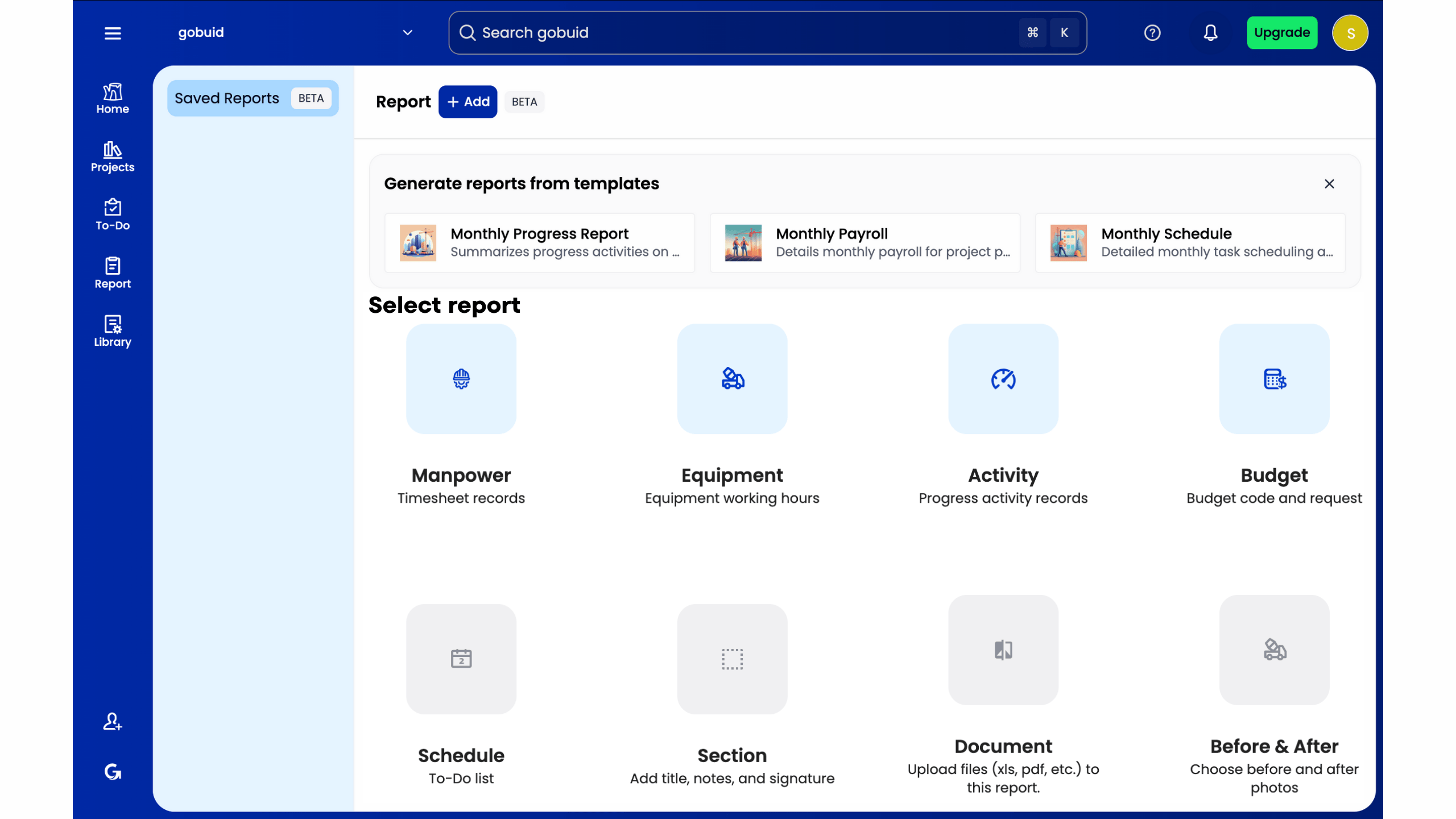
Documentation only works if it's consistent. Generating reports in one click ensures your team actually completes their daily logs. They won't spend hours on administrative tasks. High-speed reporting also builds immense trust with project owners. It shows you're organized, transparent, and in control of the project's trajectory. Professionalism is a natural deterrent to conflict. When your reporting is instant and accurate, you leave no room for disputes to grow.
Data-Driven Insights for Future Protection
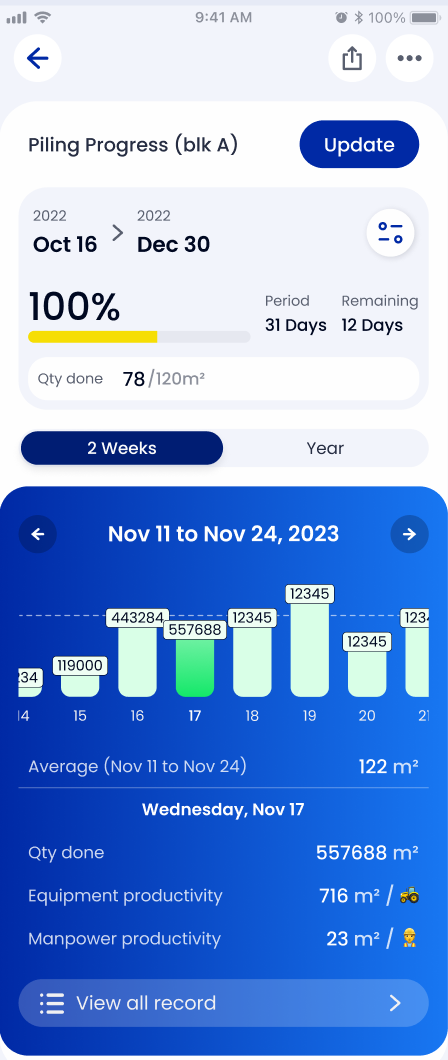
Your project data is a goldmine for future estimates. Analyze historical manpower and equipment trends to refine your bidding process. If specific tasks consistently lead to bottlenecks, adjust your operational workflows. Use your documentation to identify recurring risks. This proactive approach doesn't just win current claims. It prevents future ones from ever occurring. High-quality data is the foundation of a resilient, profitable construction business. Stop guessing and start relying on the integrity of your site data.
Build Your Defensive Audit Trail Today
Construction claims are an operational risk, not a legal inevitability. By prioritizing field-level data and closing the documentation gap, you protect your project's 3.1% average margin from erosion. You've seen how the three operational pillars turn daily site activity into a bulletproof defense. Learning how to prevent construction claims with documentation is about shifting from reactive paperwork to proactive, real-time intelligence. This transition ensures that every stakeholder operates from a single version of the truth; it leaves no room for the ambiguity that fuels expensive disputes.
You can regain control over chaotic site workflows and secure your bottom line with the right digital tools. Protect your project and avoid claims with GoBuid’s digital site diary. Our platform allows you to generate professional reports in one click and implement real-time manpower and equipment tracking across all locations. Start building a more resilient, transparent project today.
Frequently Asked Questions
What is the most common cause of construction disputes?
Ambiguity regarding scope changes and schedule delays is the most frequent trigger for construction disputes. In fact, 41% of liability claims in the industry stem from subcontractor work where responsibilities weren't clearly defined or documented. These conflicts usually arise when there is no objective record to settle "he-said-she-said" arguments. Establishing a clear, data-driven record of site activities is the most effective way to eliminate these discrepancies before they reach litigation.
How does a digital site diary help in construction dispute avoidance?
A digital site diary centralizes field data into a single version of truth, eliminating the dangerous delay between site events and official records. It provides a chronological audit trail that is difficult to dispute in a legal setting. By mastering how to prevent construction claims with documentation through a digital platform, you ensure that every entry is time-stamped and verified. This level of transparency acts as a powerful deterrent against inflated or fraudulent claims.
Can progress photos be used as legal evidence in a construction claim?
Yes, progress photos are highly effective legal evidence when they include verified time-stamps and geo-tags. These metadata points provide objective proof of site conditions at a specific moment, making it nearly impossible for claimants to misrepresent project status. Visual evidence serves as a definitive safeguard against allegations of negligence or unproven delays. Integrating these photos directly into your daily reports ensures they are contextually linked to specific site events and manpower logs.
What should be included in a daily construction report for legal protection?
A legally robust daily report must include precise manpower tracking, equipment usage logs, and detailed site condition notes. It's essential to use customized forms to ensure every foreman captures consistent data points across the project. This consistency is a core component of how to prevent construction claims with documentation. Including safety inspections and quality checks further strengthens your defense. Professional, automated reporting removes the subjective bias that often weakens traditional paper-based site records.