Construction Field Management Software: Streamline Site Operations in 2026
by Michael R. Henderson
|
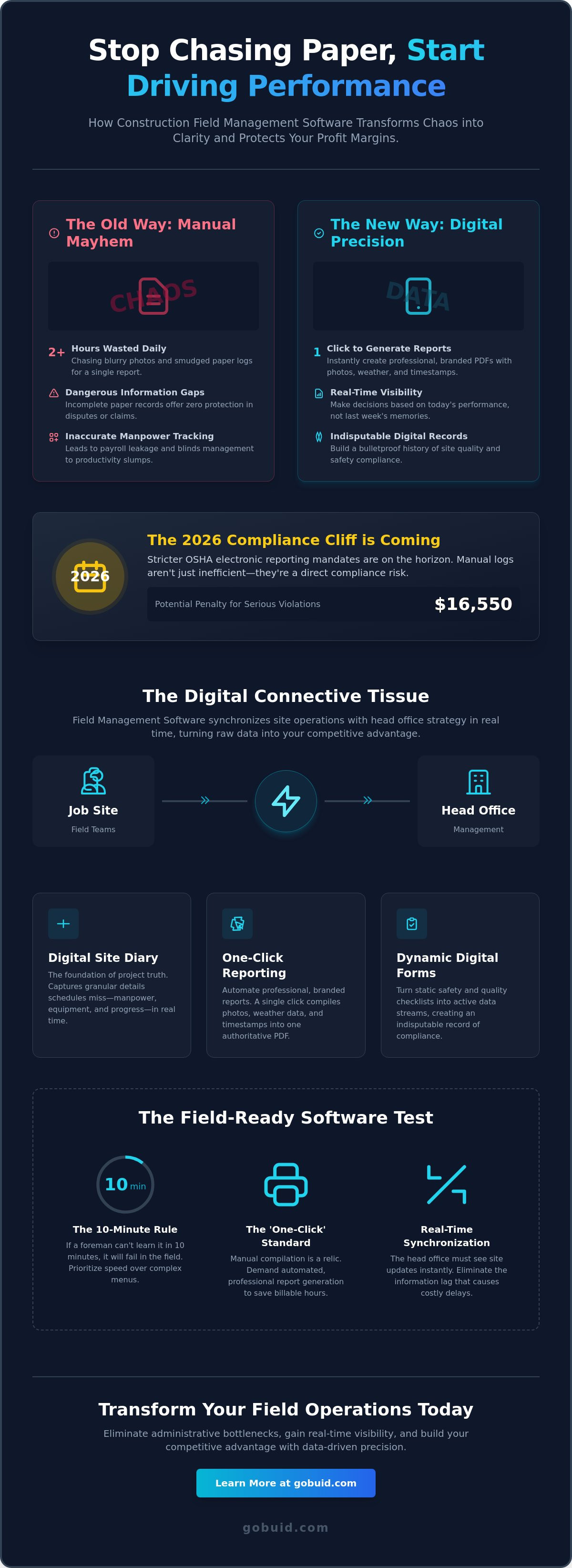
You spent three hours tonight chasing blurry progress photos and deciphering smudged paper logs just to finish one daily report. By 2026, this administrative friction isn't just a nuisance. It's a direct threat to your profit margins and your ability to meet stricter OSHA electronic reporting mandates. Most site managers agree that the hardest part of the job isn't the build itself. It's the chaotic paper trail and inaccurate manpower tracking that follow every task.
You don't have to choose between site progress and office work. This article shows you how to leverage construction field management software to eliminate administrative bottlenecks and gain real-time visibility into your operations. We'll explore how one-click professional reporting, digital site diaries, and automated equipment management can turn your field data into a competitive advantage. You'll learn to streamline safety inspections while building indisputable digital records for dispute resolution. It's time to stop chasing paper and start driving project performance with precision.
Key Takeaways
Define construction field management software as the essential connective tissue that synchronizes site operations with head office strategy in real time.
Master the 10-minute rule for software evaluation to ensure your field team adopts new digital tools without technical friction.
Identify how one-click reporting eliminates hours of manual data entry and provides immediate visibility into project progress.
Transition to dynamic customized forms to establish an indisputable digital record of site quality and safety compliance.
⭐ Learn more about GoBuid's feature - without the heavy enterprise price tag
What is Construction Field Management Software?
Traditional construction management relies on high level schedules, but the actual build happens in the dirt. Effective construction field management software acts as the digital connective tissue between the jobsite and the head office. It transitions your team from reactive paper based logs to proactive, real time digital documentation. The mission is simple: capture site reality as it happens. You need an accurate record of manpower, equipment, and progress without waiting for a Friday afternoon debrief. Simply put, construction field management software is a mobile-first platform that automates site diaries and safety inspections.
The Cost of Manual Documentation in 2026
Manual data entry carries a heavy administrative tax. Site managers often spend two hours every evening sorting through chat messages and smudged notebooks. This delay creates a dangerous information gap. If a dispute or insurance claim arises, incomplete paper records offer zero protection. Delayed reporting also blinds management. You can't fix a productivity slump that happened three days ago. Real time data ensures you make decisions based on today's performance, not last week's memories. By 2026, OSHA's expanded electronic reporting requirements mean that manual logs are no longer just inefficient; they are a compliance risk. With penalties for serious violations reaching up to $16,550, you can't afford the gaps inherent in paper trails.
Key Components: Site Diaries vs. Project Management
Don't confuse high level scheduling tools with granular field execution. While project management software handles the "what" and "when," field specific tools handle the "how" and "who." The Digital Site Diary serves as the foundation of project truth. It captures the granular details that schedules miss. Mobile-first isn't just a feature; it's the baseline requirement for site-wide accountability.
Mobile-First Execution: Field adoption depends on speed. If a foreman can't log progress in three taps, the system fails.
Integrated Manpower Tracking: Identify exactly who is on site and for how long to prevent payroll leakage.
Immediate Photo Documentation: Link progress photos directly to specific tasks or dates to create an indisputable record.
How to Evaluate Field Management Tools for Your Team
Don't invest in software that requires a week of training for your site team. If a foreman can't learn your construction field management software in 10 minutes, it will fail in the field. Procurement should focus on tools that reduce friction, not add to it. High quality construction field management software prioritizes speed over complex menus. You need a platform that offers real time synchronization so the head office sees site updates instantly. This eliminates the information lag that often leads to costly project delays and miscommunication between teams.
The 'One-Click' Reporting Standard
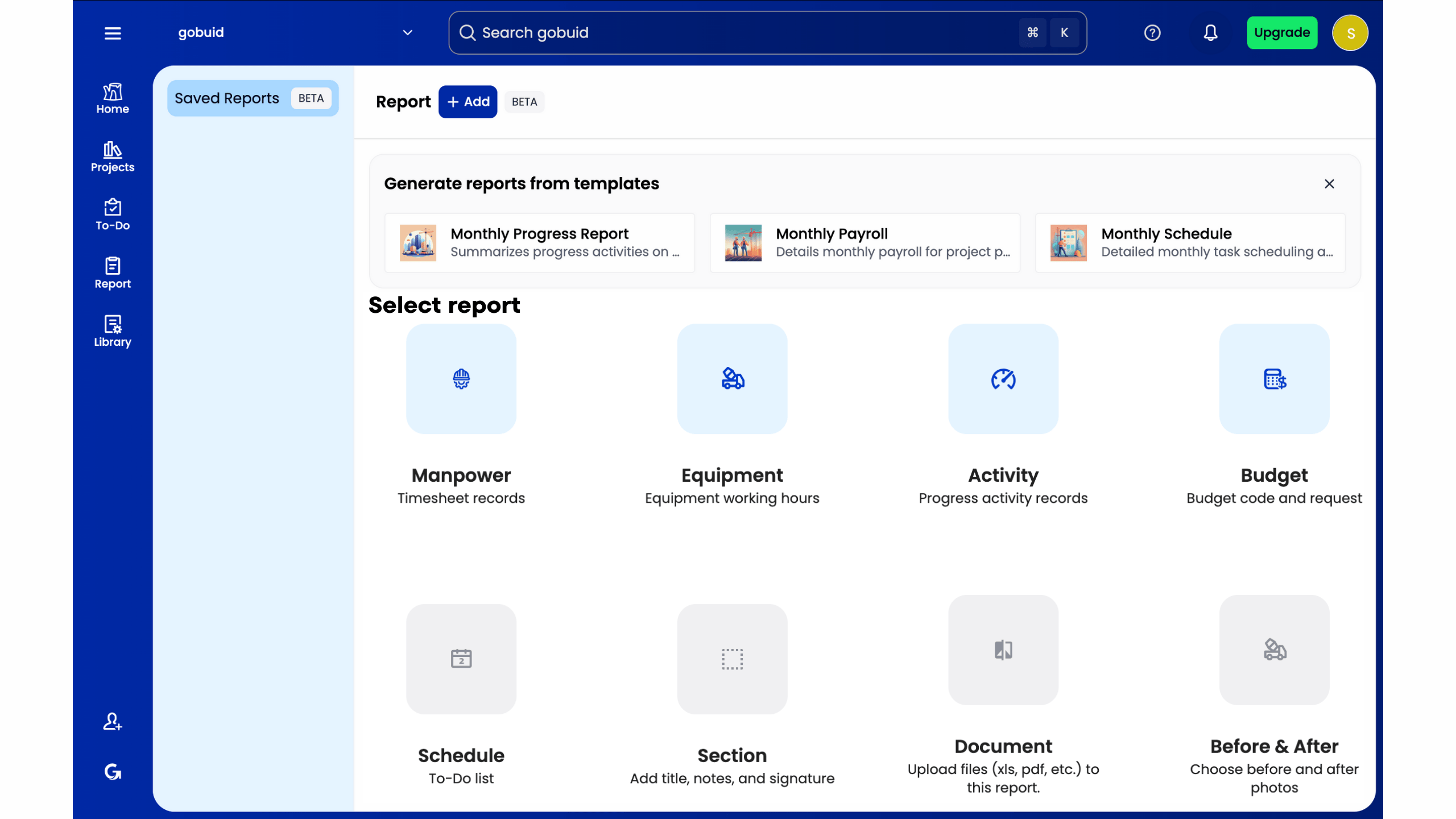
Demand a one-click reporting standard. Manual compilation is a relic of the past. Your software should generate professional, branded PDFs automatically. These reports must include high resolution progress photos, localized weather data, and verified timestamps. This level of detail protects your business from liability. It replaces hours of hunting through WhatsApp messages with a single, authoritative document that stakeholders can trust. If the process takes more than a single click, your team is wasting valuable billable hours on administrative work.
Resource Tracking: Manpower and Equipment
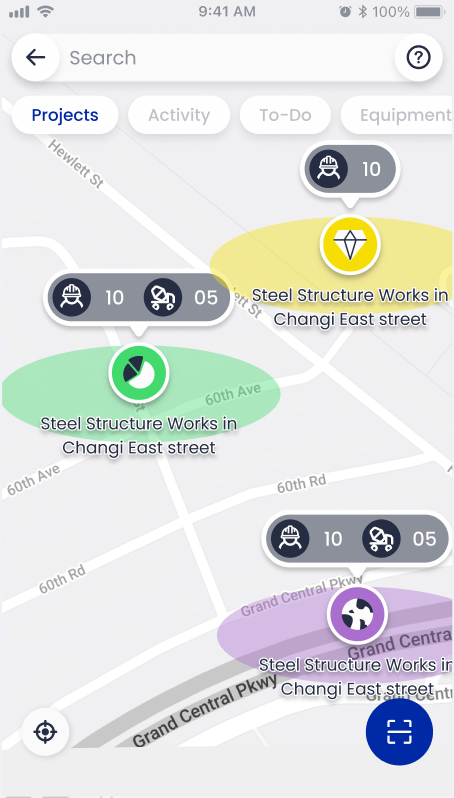
Labor is your highest variable cost. Use integrated Manpower Tracking to automate labor cost analysis. Tracking subcontractor headcounts ensures you only pay for the work actually performed. Similarly, robust Equipment Management prevents expensive machines from sitting idle. These data points flow into Project Analytics Dashboards to reveal hidden inefficiencies. Maintaining these records is also critical for staying aligned with OSHA construction safety standards regarding site attendance and hazard communication. To see these tools in action, explore the core features designed for high performance teams.
Implementing Digital Safety and Quality Inspections
Paper checklists are static. They live in folders and offer no real-time value. Transitioning to dynamic Customised forms turns your safety protocols into active data streams. These digital inspections create an indisputable record of quality and safety compliance that protects your project from liability. By using construction field management software, you ensure that every inspection is timestamped and geolocated. This level of transparency fosters better team collaboration through shared digital logs. It allows every stakeholder to see exactly where a project stands without making a single phone call.
Standardizing Quality Control Across Projects
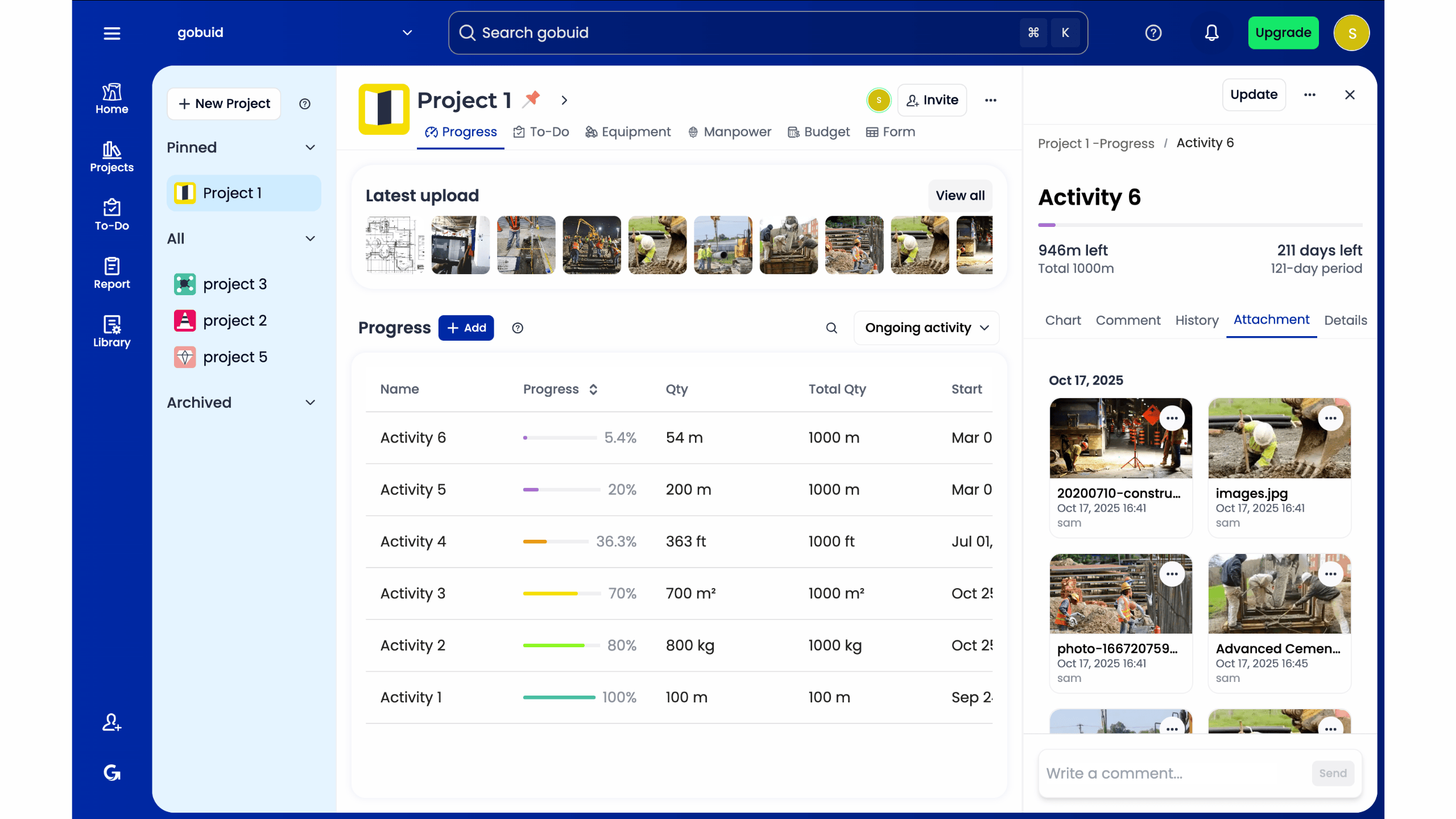
Consistency is the enemy of risk. Templates ensure that every site follows the same Safety & Quality Inspection protocols, regardless of the foreman's individual experience level. You can mandate the use of Progress Photos to document as-built conditions thoroughly. This visual proof verifies work completion before you release subcontractor payments. Federal agencies use similar structured approaches, such as the Construction and Facilities Management Information System(CFMIS), to maintain high standards across massive portfolios. Digital records reduce rework costs by identifying defects early in the cycle before they become expensive structural problems.
Bridging the Gap with Real-Time Analytics
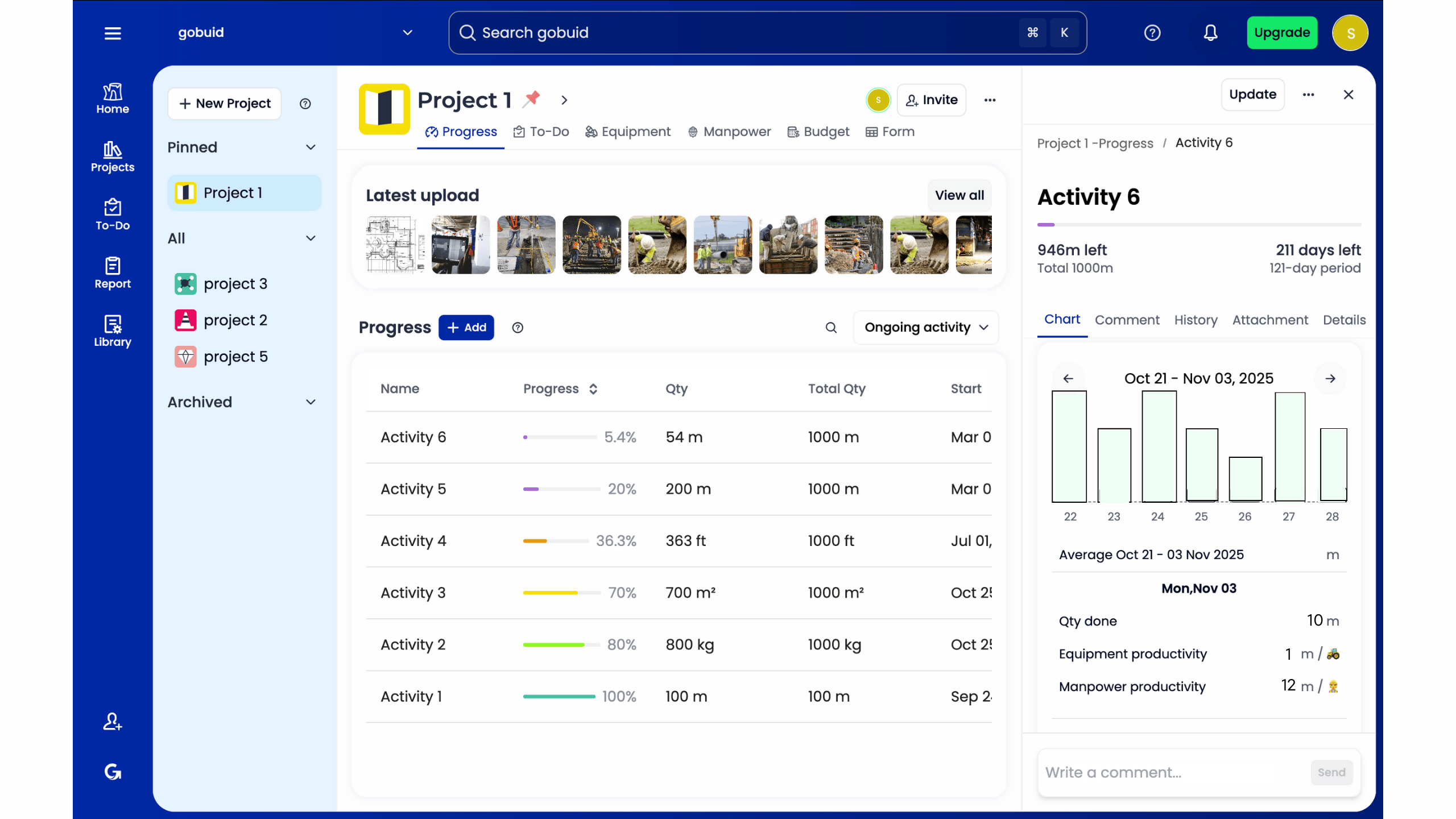
Raw inspection data is only useful if it's accessible. This information must feed directly into your Project Analytics Dashboard to drive decision making. Real-time visibility allows you to identify recurring safety trends or quality issues across multiple jobsites simultaneously. If three separate projects report the same equipment failure, you can act before a major incident occurs. Build a culture where what gets measured gets managed. Modern construction field management software provides the clarity needed to move from guesswork to precision management. It turns site reality into actionable insights that protect your profit margins.
Master Your Site Operations with Precision
Site operations in 2026 demand more than just manual effort. They require a unified data point that connects the field to the office without delay. You've seen how digital site diaries and customized forms eliminate the administrative tax that drains your daily productivity. By prioritizing user experience and one-click reporting, you ensure your team actually uses the tools you provide rather than fighting against them. High quality execution depends on having the right data at the right time.
Implementing construction field management software is the most direct path to regaining control over chaotic workflows. Tracking manpower and equipment shouldn't require hours of evening work. These tasks should happen as the work progresses, creating an indisputable digital record for every project. This transparency protects your margins and your reputation alike.
Start streamlining your site operations with GoBuid's one-click reporting today. Leverage professional PDF reports, real-time tracking, and no-nonsense digital site diaries designed specifically for the field environment. You have the expertise to build great projects. Now, adopt the tools to manage them with total authority. Your team is ready for the upgrade.
Frequently Asked Questions
What is the best construction field management software for small to mid-sized contractors?
The best construction field management software for this segment is one that balances sophisticated data capture with a low barrier to entry. You need a platform that prioritizes mobile execution over complex office interfaces. GoBuid specifically targets these teams by offering one-click reporting and real-time site diaries that don't overwhelm foremen with unnecessary technical bloat.
How does digital site documentation help with construction dispute resolution?
Digital documentation provides a chronological, timestamped, and geolocated record of site reality. This creates an indisputable trail of evidence that protects you during liquidated damages claims or quality disputes. High-resolution progress photos and verified manpower logs prove work was completed to specification before any issues arise, making it nearly impossible for stakeholders to contest the facts of the build.
Can field management software work offline in remote jobsites?
Professional field management tools include offline modes that cache your data locally on the device. Once your team returns to an area with cellular service or Wi-Fi, the software automatically synchronizes all entries with the central server. This ensures that remote sites maintain the same level of transparency as urban projects without losing critical data during connectivity gaps.
How long does it take to train a site team on new field management software?
Site teams should be up and running within minutes rather than days. If the interface is intuitive, a foreman can master basic progress logging and photo uploads in less than 10 minutes. Rapid adoption is the only way to ensure total data accuracy across your entire project portfolio. Avoid any platform that requires extensive classroom training for field staff.
Does field management software integrate with my existing accounting or scheduling tools?
Most modern construction field management software is designed to connect with industry-standard accounting and scheduling tools via direct integrations or APIs. This allows site-level data, such as labor hours and equipment usage, to flow directly into your back-office systems. Always verify that your chosen solution supports the specific software stack your finance and planning teams already use to ensure a seamless data flow.