Construction Inspection: The Complete Guide to Site Quality and Compliance (2026)
by Sam Chen
|
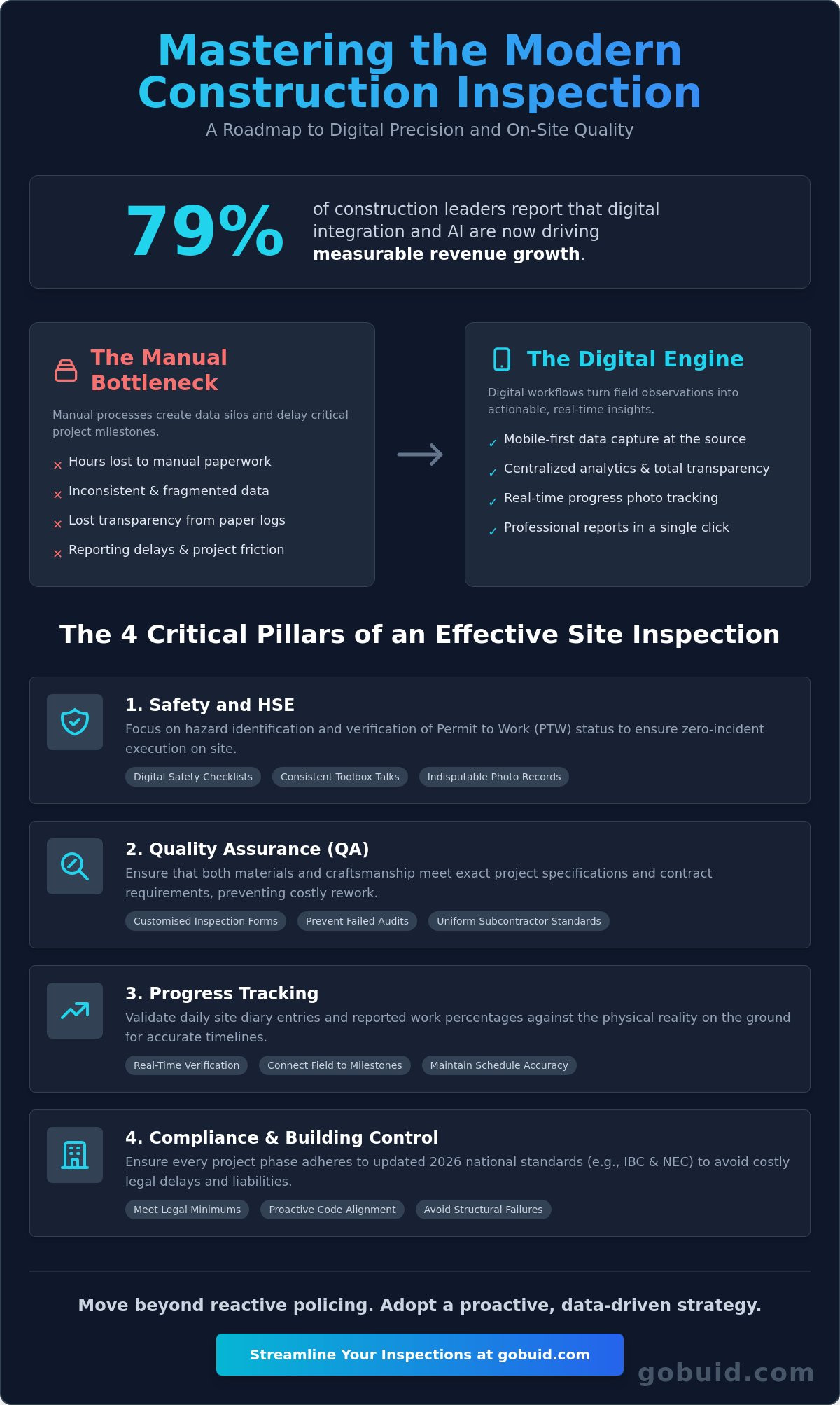
A staggering 79% of construction leaders report that digital integration and AI are now driving measurable revenue growth. Despite this, many site teams still lose hours to manual paperwork and inconsistent data entry. Your construction inspection process should be a high-speed engine for quality, not a reporting bottleneck that delays your 2026 project milestones. When data is trapped in paper logs or fragmented across different teams, you lose the transparency required to manage 2026 inflation rates and record-high backlogs.
You need a system that translates field observations into actionable insights without the lag time. This guide provides a clear roadmap to mastering the essentials of construction inspection to ensure safety and maintain rigorous quality standards. We'll examine the latest 2026 IBC and NEC updates, break down critical inspection categories, and demonstrate how to generate professional reports with a single click. It's time to replace manual friction with digital precision and regain control over your site workflows.
Key Takeaways
Move beyond reactive policing by adopting a proactive quality assurance strategy that aligns work with current 2026 codes.
Identify and mitigate hazards immediately by integrating safety verification and Permit to Work status into your daily routines.
Close the documentation gap using a mobile-first construction inspection workflow that captures site data at the source.
Accelerate your reporting cycle with digital tools that generate professional site documentation in a single click.
Gain total site transparency through centralized project analytics and real-time progress photo tracking.
⭐ Learn more about GoBuid's feature - without the heavy enterprise price tag
Understanding Construction Inspection: More Than Just a Walkthrough
Construction inspection is the systematic verification of work against codes, contracts, and safety standards. It's the connective tissue between physical site operations and office management. Without a rigorous process, site data remains fragmented and unreliable. For a comprehensive building inspection overview, it's clear that systematic documentation serves as the primary defense against legal and operational risks.
The industry has moved beyond reactive policing. Modern teams now prioritize proactive quality assurance to maintain national safety standards, including OSHA compliance. This shift creates total transparency and ensures every team member remains accountable for the final output. High-quality site execution isn't an accident; it's the result of disciplined, data-driven site walks that identify issues before they escalate into structural failures.
Regulatory Compliance vs. Quality Control
Mandatory building code inspections represent the legal minimum. While these regulatory audits are essential for safety, internal quality assurance checks ensure craftsmanship meets specific project contracts. Consistent internal reviews prevent the friction of failed official audits. They also identify defects before they become permanent liabilities. This proactive approach is vital for maintaining a modern construction inspection workflow that values precision over guesswork.
Missing a single inspection point often leads to rework that destroys project timelines and profit margins. In an environment where data center spending exceeds $100 billion, efficiency is non-negotiable. Using customised forms allows teams to capture precise data at the source. This eliminates the documentation gap and ensures that every site walk contributes to a unified data point for the entire project lifecycle.
The 4 Critical Pillars of an Effective Site Inspection
Success on a modern site depends on four foundational pillars. These pillars transform a routine walk into a high-impact construction inspection. By categorizing site activities, managers gain a unified data point that connects field reality to project milestones. Understanding the core Construction inspector duties is the first step toward building this structure. Effective oversight isn't just about spotting errors; it's about verifying every layer of the build against rigorous benchmarks.
Safety and HSE: This pillar focuses on hazard identification and the verification of Permit to Work (PTW) status. It's about zero-incident execution.
Quality Assurance (QA): Inspectors must ensure that both materials and craftsmanship meet exact project specifications.
Progress Tracking: Use inspections to validate daily site diary entries. This ensures that reported percentages match the physical reality on the ground.
Compliance and Building Control: Every project must adhere to 2026 national standards, such as the updated IBC and NEC, to avoid costly legal delays.
Standardising Health and Safety (HSE) Protocols
Safety is non-negotiable. Standardising your HSE protocols starts with consistent toolbox talks and digital safety checklists. When these are integrated into the inspection process, they create a culture of accountability. Capturing progress photos provides an indisputable record of compliance. This visual evidence protects your firm from liability and ensures safety standards remain visible to all stakeholders. You can streamline your safety documentation by replacing paper forms with mobile-first inputs.
Quality Assurance and Progress Verification
Consistency across subcontractors is a major operational challenge. Use customised forms to ensure every team follows the same quality standard. These forms act as a digital guardrail, preventing teams from skipping critical verification steps. There's a direct link between inspection sign-offs and project timeline accuracy. When inspections are verified in real-time, the project schedule remains reliable. If you want to improve site transparency, consider how centralized project analytics can help you track these pillars across multiple locations.
Streamlining the Inspection Workflow: From Field Data to One-Click Reports
The "Documentation Gap" is a silent profit killer. It represents the hours lost between finishing a site walk and delivering a finalized report to stakeholders. A modern construction inspection must happen in real-time. By adopting a mobile-first approach, you capture data at the source. This ensures that international code council standards are met without the typical administrative lag. Capturing data instantly eliminates the risk of memory bias or lost paper notes.
Eliminating Administrative Overhead
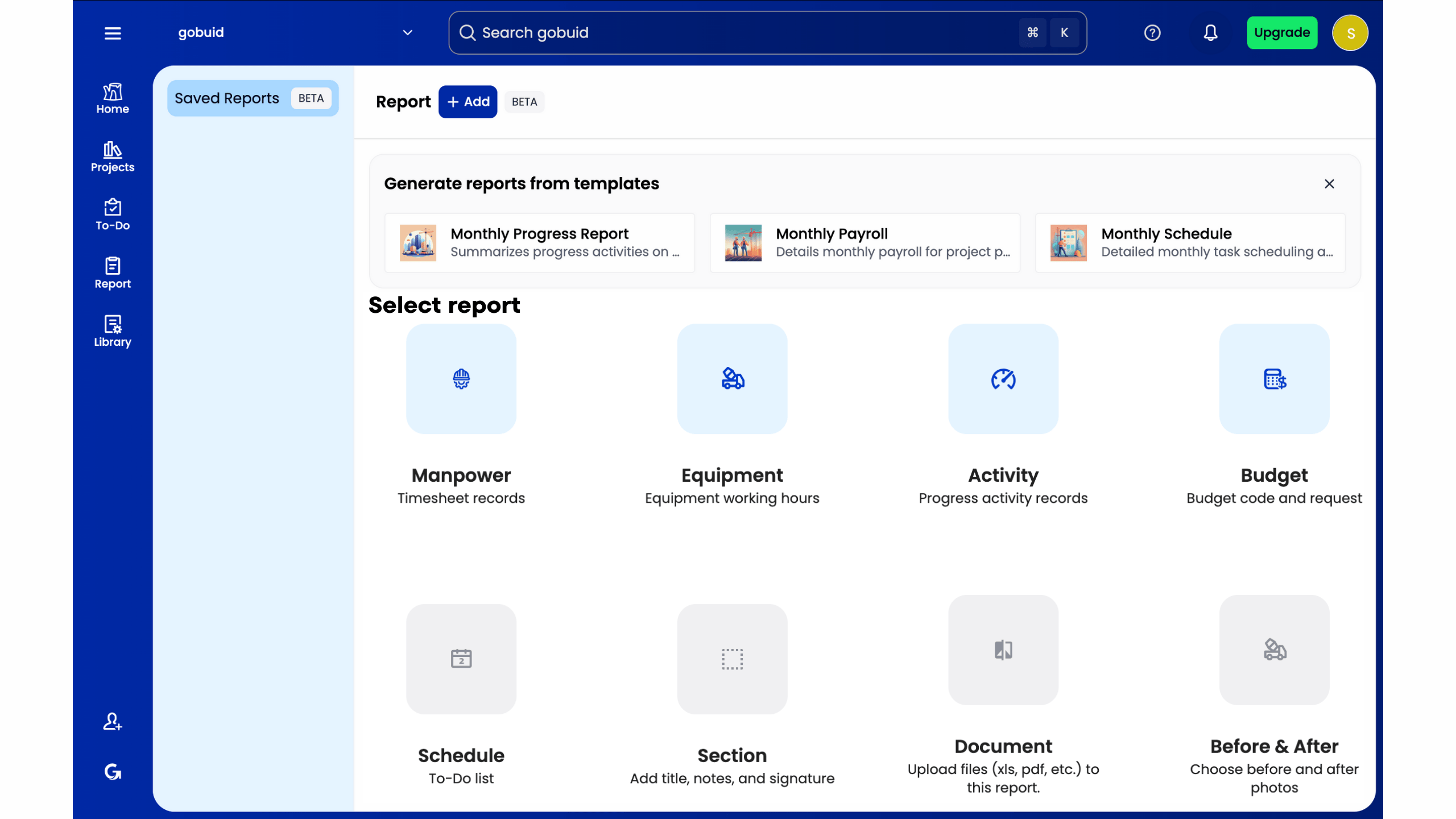
Manual clipboard inspections are obsolete. They create fragmented data silos and lead to inconsistent reporting across different site teams. Digital forms sync instantly, providing immediate site transparency for project stakeholders. The "one-click" philosophy removes the need for manual data entry entirely. You can discover one-click reporting to see how professional documentation is generated in seconds. This speed allows supervisors to focus on operational execution rather than office paperwork. It's the most efficient way to maintain accountability without increasing headcount.
Leveraging Data-Driven Insights
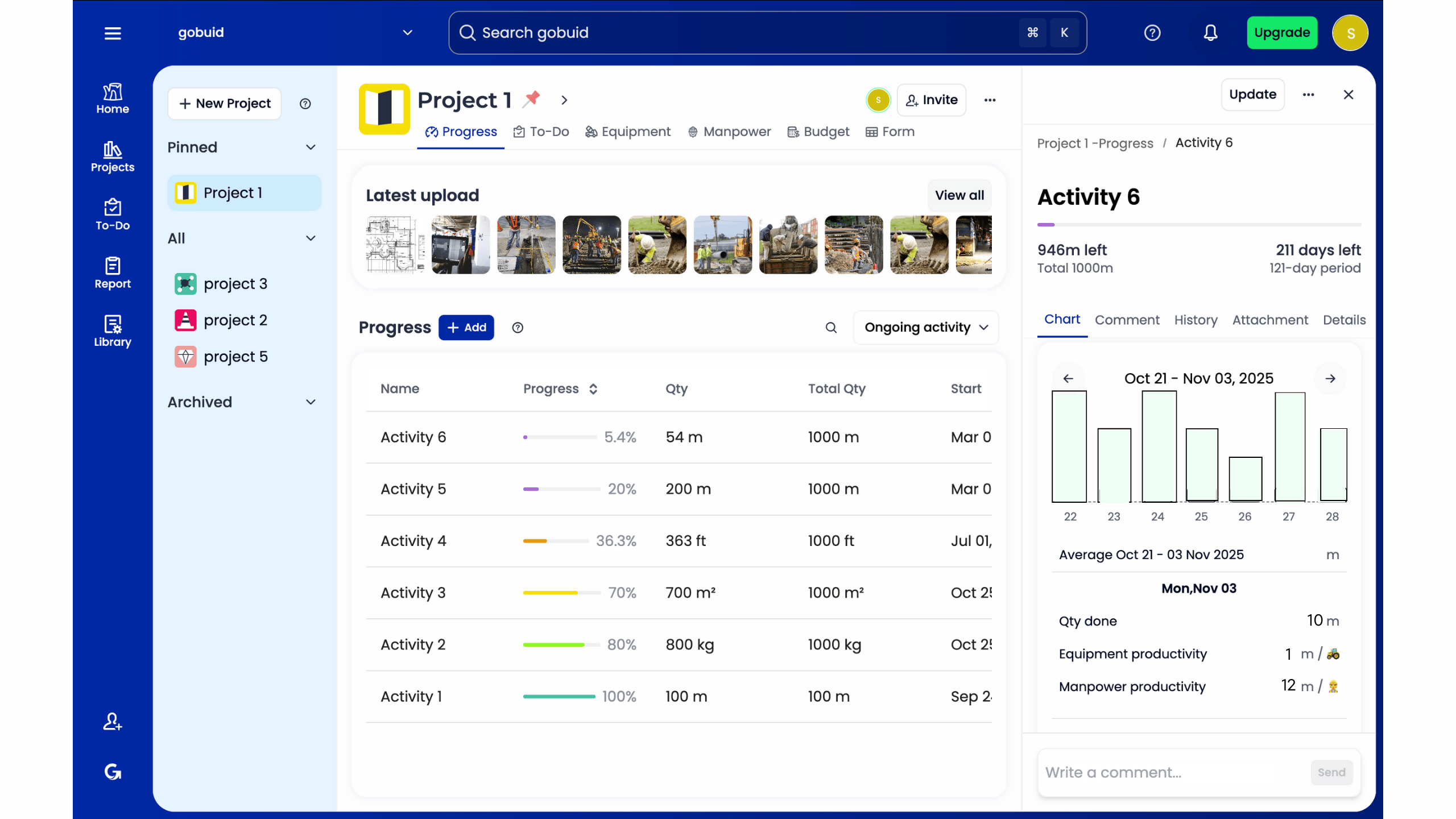
Inspections provide more than just compliance checks. They offer a wealth of operational data that most firms leave on the table. When you integrate manpower tracking and equipment management into your workflow, you gain a complete view of site health. This data feeds directly into a Project Analytics Dashboard, allowing you to identify recurring defects or safety trends across multiple locations. You must centralise your site data to turn raw observations into strategic assets. Total transparency is the only way to scale project volume while maintaining quality in a high-growth environment. Real-time data ensures that when a defect is found, the correction process begins immediately.
Master Your Site Data and Delivery
Operational excellence isn't a goal; it's a requirement for the 2026 construction landscape. You've seen how a proactive construction inspection strategy transforms fragmented site walks into a unified data point. By focusing on the four pillars of safety, quality, progress, and compliance, you protect your margins and your reputation. The shift from manual paperwork to digital precision is the only way to eliminate reporting bottlenecks and maintain site transparency.
Stop losing hours to administrative overhead. Use real-time project analytics and customised digital forms to capture site reality at the source. This level of oversight ensures your team remains accountable while increasing overall productivity. It's time to bridge the gap between field operations and professional documentation with a single source of truth.
Generate your first construction inspection report in one click with GoBuid. Regain control over your workflows and ensure every project meets the highest standards of execution. Your next milestone is waiting.
Frequently Asked Questions
What is the main purpose of a construction inspection?
The primary objective is to verify that all work aligns with building codes, safety regulations, and project specifications. It's a systematic process to identify defects early and prevent structural failures. A consistent construction inspection protects your profit margins by eliminating the need for expensive rework. It also ensures that the final build meets the rigorous safety standards required for legal occupancy.
Who is responsible for conducting inspections on a construction site?
Responsibility falls on both internal site supervisors and external regulatory officials. Internal teams manage daily quality assurance and safety protocols to keep the project on track. External building inspectors or certified private professionals verify compliance with the 2026 International Building Code. In some regions, new legislation allows certified private firms to conduct inspections if local departments face significant backlogs.
How often should construction site inspections be performed?
You should conduct safety inspections daily to identify immediate hazards and verify Permit to Work status. Quality and trade-specific checks occur at critical project milestones, such as foundation completion or electrical rough-ins. Maintaining a rigorous construction inspection schedule ensures that your project analytics dashboard remains accurate. Regular monitoring prevents documentation gaps from stalling your project timeline or impacting your delivery dates.
What should be included in a construction inspection report?
Every report needs high-resolution progress photos, precise location data, and clear timestamps for accountability. It should document specific findings against safety and quality benchmarks while noting any required corrective actions. Including manpower tracking and equipment logs adds a layer of operational context. Digital systems allow you to generate these reports in one click, providing professional documentation that stakeholders can trust immediately.