The Ultimate Construction Punch List Guide: Closing Projects in 2026
by Sam Chen
|
A punch list is not a post-project chore; it is a liability shield that starts with accurate daily documentation. You know the frustration of the final stretch. The build is finished, yet final payment stays out of reach because of endless email chains and unorganized field notes. With the 2026 mandatory 5% retention cap under SB 61 now in effect, you cannot afford to let minor snags delay your project handover.
We understand that miscommunication between the site and the office is the primary killer of profitability. This guide will help you master the punch list process with a clear, repeatable checklist designed for the modern job site. You will learn how to bridge the gap between field execution and administrative closeout to ensure faster handovers and zero disputes during the final walkthrough.
We are going to examine the specific steps to centralize your documentation and use real-time data to protect your bottom line. It is time to stop chasing signatures and start closing projects with the precision of a digital foreman.
Streamlining the Snagging Process with Digital Site Diaries
A successful punch list isn't a standalone event; it's the natural culmination of your daily site documentation. Most firms treat closeout as a frantic scramble. You can avoid this by transitioning daily logs directly into final tasks without re-entering data. When your site diary captures every minor issue as it happens, the final walkthrough becomes a formality rather than a discovery phase. Real-time manpower tracking ensures you know exactly which trades are on-site to address fixes the moment they're identified. This eliminates the "Friday Afternoon Scramble" and keeps your project moving toward final payment without delay.
Capturing Evidence: Photos and Real-Time Logs
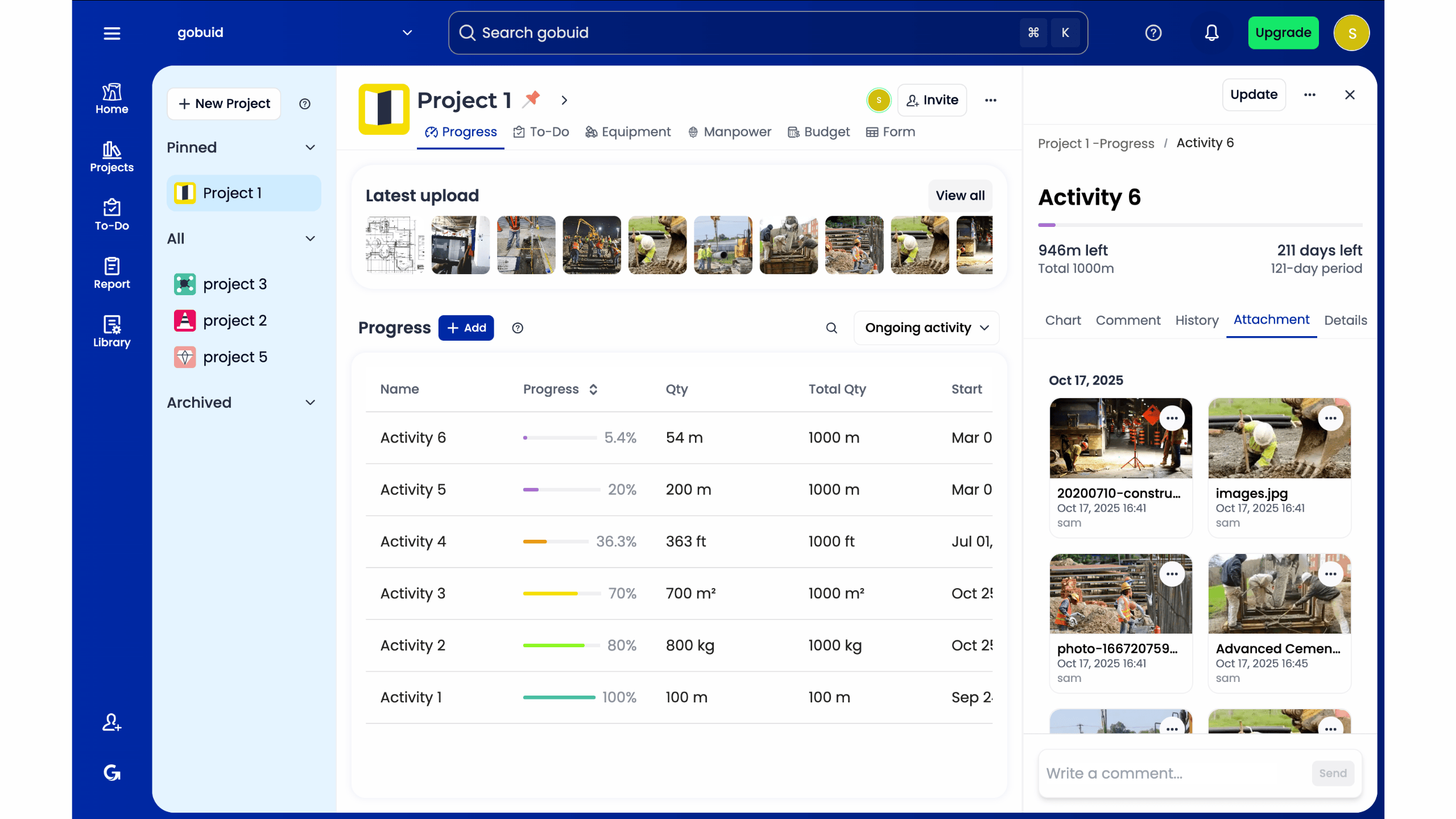
Stop relying on memory or vague notes. Use mobile-first tools to pin snags directly to specific project locations on your digital plans. This level of precision removes ambiguity for subcontractors and speeds up the remediation process. A timestamped photo within your site diary provides the best defense against claims regarding damage that occurred after handover. It creates an indisputable record of the project's condition at the moment of substantial completion, protecting your margins from late-stage disputes.
Generating the Final Closeout Report
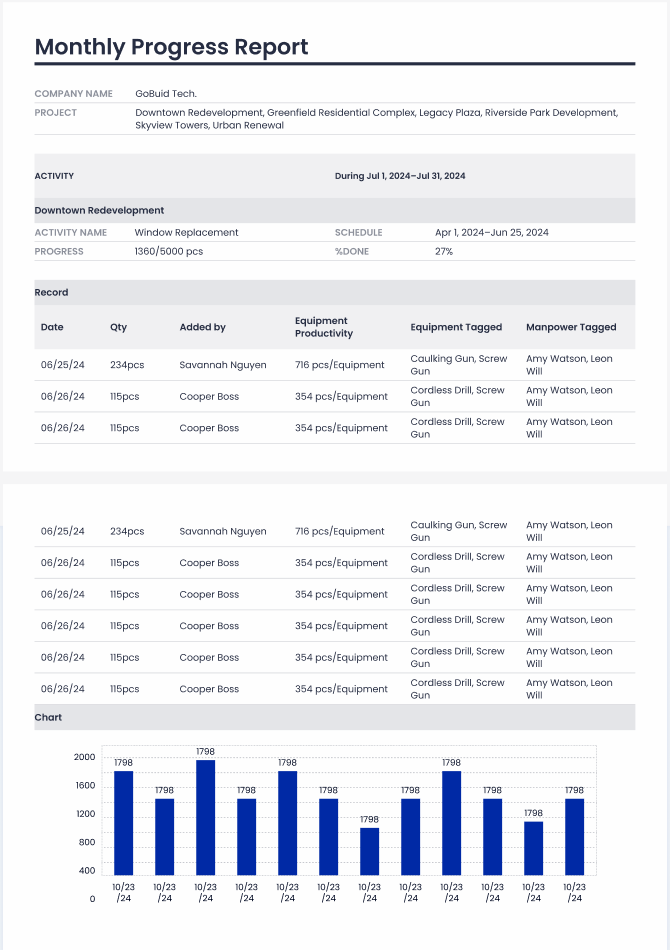
The final step is proving the work is done. You can generate professional reports that synthesize weeks of field data into a clean, client-ready format. One-click reporting is the automated synthesis of field data into a client-ready document. This process maintains a single source of truth from groundbreaking to handover. It impresses owners, satisfies architects, and ultimately accelerates your final payment by providing absolute transparency. Closing a project in 2026 requires this level of digital precision to remain competitive and profitable.
What is a Construction Punch List? (The Closeout Roadmap)
A punch list is the final roadmap between a completed job site and a final payment. It's the definitive document of non-conforming work items that you must correct before a project is officially closed. While international teams might call it a "snag list," US contractors rely on this process to bridge the gap between field execution and administrative sign-off. To understand the foundations of this term, you'll explore What is a Punch List? to see how it evolved from physical paper holes to digital records.
To better understand the mechanics of this process on a modern site, watch this helpful video:
A clean list is your key to unlocking the final 5% to 10% of project funds. With many contracts now featuring mandatory retention caps, often around 5%, your margin for error is thinner than ever. Every unaddressed item on your list represents a delay in cash flow. Using real-time progress documentation ensures that these minor snags don't turn into major financial bottlenecks.
Why the Punch List is Your Most Important Liability Shield
Documented corrections are your best defense against future litigation. When you record every fix, you create a permanent history that protects you from unwarranted warranty claims. Don't wait for the owner to find errors. Start with a "pre-final" inspection to identify issues early. This proactive approach sets clear expectations and prevents the final walkthrough from turning into a surprise dispute.
Substantial Completion: The Finish Line
Substantial completion occurs when the project is ready for its intended use. It's a legal milestone that shifts responsibility for the facility from the contractor to the owner. The architect or owner representative must sign off on this stage. Without this signature, your project stays in a state of limbo. This prevents you from handing over the keys and collecting your final check. You need a centralized record to prove that every requirement has been met to the letter.
Punch List Responsibilities: Who Owns the Closeout?
Closing a project requires a disciplined chain of command. If ownership is vague, the punch list becomes a dumping ground for unresolved issues. The Owner and Architect act as the primary gatekeepers. They identify deficiencies and verify that the final build matches the design intent. They set the standard for what constitutes a finished product.
The General Contractor (GC) is the central hub for all closeout activity. They manage the master list and coordinate trade corrections across multiple subcontractors. Subcontractors aren't just there to swing hammers; they must provide objective evidence of completion for every item assigned to them. Finally, the foreman acts as the connective tissue. They capture real-time progress on the ground to ensure the office knows exactly what is happening at the site.
The Role of the Digital Foreman in Closeout
Modern project management has moved beyond administrative overhead. The digital foreman uses technology to verify work in real time. Capturing progress photos daily simplifies the final walkthrough significantly. Instead of debating when a specific fix occurred, you have a time-stamped visual record. This transparency builds trust with owners and prevents the project from stalling at the finish line.
Managing Subcontractor Accountability
Accountability depends on clear, centralized documentation. You need to ensure subs finish their entire scope before they demobilize. Centralized feedback eliminates the "he-said-she-said" disputes that often plague the final weeks of a build. When every trade knows their work is being tracked and verified, the quality of field execution rises. You can explore how centralized tools drive this accountability and keep your project on schedule.
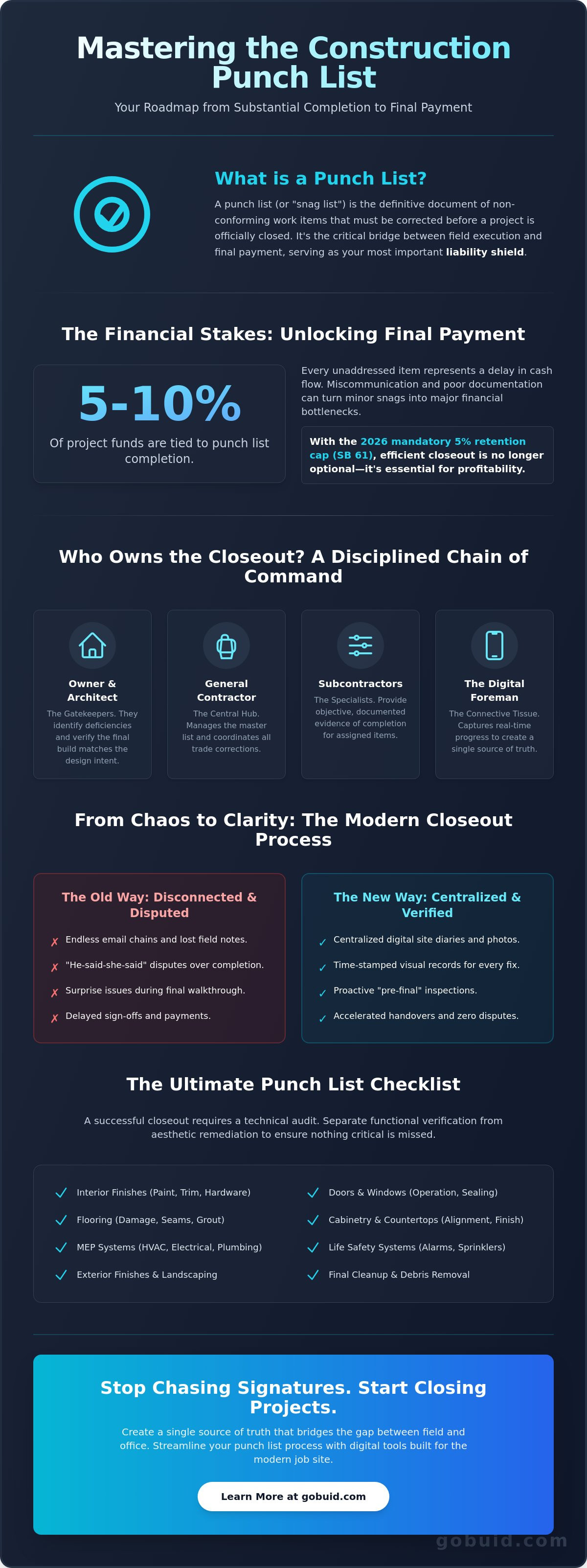
The Ultimate Construction Punch List Checklist
A punch list is more than a list of chores; it is a technical audit. Successful closeouts require a checklist that separates functional verification from aesthetic remediation. This distinction ensures that critical systems like life safety and HVAC are not overshadowed by minor paint scuffs. Use the following categories to organize your final walkthrough:
Interior Finishes: Inspect every room for paint consistency, trim alignment, and hardware installation.
Mechanical & Electrical (MEP): Test every outlet for polarity. Verify HVAC balancing reports and check for plumbing leaks under full pressure.
Exterior & Site: Confirm building envelope integrity and ensure all site debris is removed before the owner arrives.
Safety & Compliance: Conduct fire alarm testing and verify that all ADA-compliant signage is installed correctly.
Items to Test and Verify
Functional testing proves the building works as intended. Cycle all appliances and fixtures through a full operational loop. Check zone-specific HVAC controls for proper calibration against the mechanical schedule. You must also verify that all safety & quality inspections are logged and passed within your central system. This creates a verifiable audit trail for the owner and the architect. If it isn't documented, it isn't done.
Items to Add, Fix, or Remove
Remediation addresses the physical condition of the asset.
Add: Missing switch plates, final hardware, or required egress signage.
Fix: Scuffed walls, cracked tiles, or misaligned cabinetry.
Remove: Construction tape, protective films, and site waste.
Separating these tasks allows you to assign the right trades to the right problems immediately. You can streamline your inspection workflow by using customized digital forms that capture these items in seconds from the field.
Take Control of Your Project Closeout
The transition from construction to occupancy shouldn't be a period of friction. By treating the punch list as a continuous process rather than a final hurdle, you protect your margins and build owner trust. Accountability starts in the field with real-time documentation and ends with professional, verified reports. You now have the roadmap to bridge the gap between the rugged reality of the site and the precision of the office. Effective management in 2026 requires a single source of truth that captures every fix as it happens.
Top-tier project managers rely on GoBuid to maintain this visibility with zero-friction field reporting. There are no lock-in contracts; you stay because the tool delivers results, not because you're forced into a long-term commitment. Stop chasing missing signatures and start closing projects with the efficiency your team deserves. It's time to reclaim your schedule and secure your final payment without the usual administrative headaches.
Generate your professional punch list report in one click with GoBuid
Close your next project with absolute authority and get your team home on time.
Frequently Asked Questions
What is the difference between a punch list and a snag list?
The difference is primarily geographical terminology rather than a change in function. US contractors use the term punch list to document non-conforming work, while "snag list" is the standard term in the UK, Ireland, and Australia. Both documents serve as a definitive record of deficiencies that you must correct before the project reaches final completion and the owner releases the last payment.
When should the punch list walkthrough take place?
The walkthrough should occur as the project reaches substantial completion. This is the point where the building is functional for its intended use, even if minor aesthetic or technical touch-ups remain. You must coordinate this inspection with the architect and owner representative to ensure every deficiency is captured before the keys change hands and the warranty period begins.
Can a contractor get paid before the punch list is finished?
Contractors receive progress payments throughout the build, but the final retention is usually withheld until all items are cleared. In California, SB 61 mandates a 5% cap on retention for most private contracts as of January 1, 2026. This means you must clear your punch list efficiently to trigger the release of that final 5% of the contract price without delay.
Who is responsible for paying for punch list items?
The general contractor or the specific subcontractor responsible for the original scope pays for these corrections. Because these items represent work that was already contracted but not completed to the required standard, they are not considered extra costs. If an owner requests new work not found in the original drawings, that is handled through a change order rather than a deficiency list.
What happens if an item is missed during the final walkthrough?
Missed items typically fall under the standard one-year warranty period or the latent defect clauses in your contract. The contractor remains obligated to fix work that doesn't meet the original specifications even if it wasn't caught during the initial inspection. Maintaining a digital site diary with timestamped photos is your best defense to prove that certain damages occurred after the owner took possession.