Commercial Construction Superintendent: Essential Guide
Master the modern commercial construction superintendent role. This guide shows you how to use digital tools to cut admin time and manage projects with preci...
by Guillermo Sánchez
|
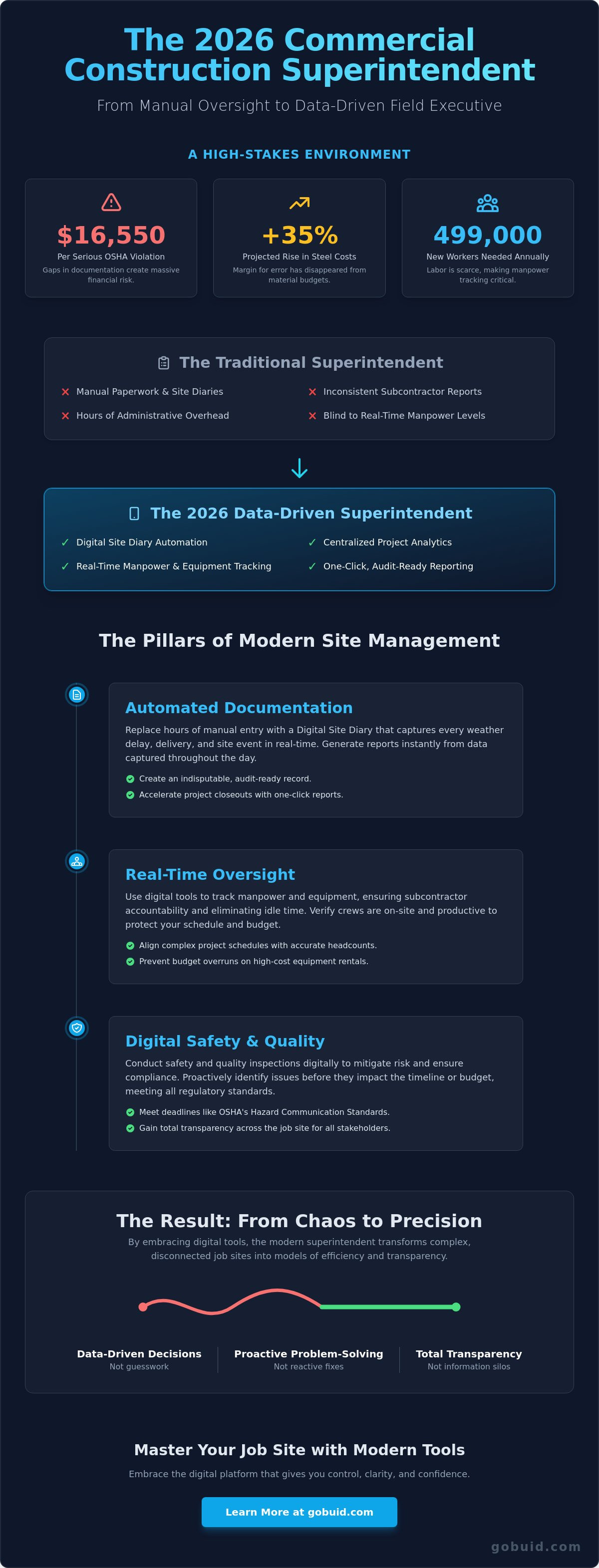
The 2026 commercial construction superintendent is no longer a clipboard-carrier; they are a data-driven field executive. With OSHA penalties now reaching up to $16,550 per serious violation and material costs for steel projected to rise up to 35% this year, the margin for operational error has disappeared. You likely feel the pressure of this shift while fighting through hours of administrative overhead and inconsistent safety reports from subcontractors.
It's exhausting to manage a complex job site when you're tethered to manual paperwork and blind to real-time manpower levels. This guide will help you master the evolving responsibilities of the modern superintendent and show you how digital tools streamline site management. We'll examine how to achieve total transparency across your projects, automate your site diary, and use one-click reporting to move from chaos to precision.
Key Takeaways
- Understand how the role of a commercial construction superintendent has shifted from manual oversight to data-driven field management.
- Learn to eliminate administrative waste by implementing a Digital Site Diary to capture every site event with precision.
- Discover how real-time Manpower Tracking ensures subcontractor accountability and keeps complex project schedules aligned.
- Gain total transparency across the job site using a centralized Project Analytics Dashboard to monitor progress and quality.
- Master the use of one-click reporting to accelerate project closeouts and maintain accurate, audit-ready documentation.
- ⭐ Learn more about GoBuid's feature - without the heavy enterprise price tag
Table of Contents
What Is a Commercial Construction Superintendent in 2026?
A commercial construction superintendent serves as the primary on-site executive responsible for every operational facet of a project. They own the schedule, maintain rigorous safety standards, and ensure high-quality execution across all trades. While the role has always required a presence in the field, the modern version of this position is the connective tissue between high-level office strategy and the physical reality of the job site. They don't just watch the work; they orchestrate it within the broader framework of Construction Management to ensure every stakeholder stays aligned.
To visualize the daily demands of this role, watch this breakdown of a typical day in the field:
The core difference between residential and large-scale commercial superintendence lies in the complexity of logistics and compliance. In the commercial sector, you aren't just managing a few crews; you're coordinating dozens of specialized subcontractors, navigating strict OSHA regulations, and managing multi-million dollar material deliveries. Precision is the only way to protect profit margins in an environment where material costs for concrete and steel continue to fluctuate significantly.
The Evolution of Field Leadership
Field leadership has transitioned from manual oversight to digital mastery. The traditional paper site diary is now a Digital Site Diary that captures real-time events, progress photos, and safety observations. Total transparency is no longer a luxury. Clients and project owners now expect immediate access to site data. A superintendent who can't provide instant documentation is a liability to the project's timeline and the firm's reputation.
Key Qualifications and Career Path
Success as a commercial construction superintendent requires a hybrid skill set. You need deep technical knowledge of trades, but you also need the high-level organizational skills of a technical innovator. While many enter the role through years of trade experience, the 2026 landscape demands data literacy. Modern superintendents must be comfortable using project analytics to track manpower and equipment efficiency. Certifications in safety and specialized construction sectors remain vital, but the ability to leverage digital tools is now the primary differentiator for career advancement.
Core Responsibilities: Documentation, Manpower, and Safety
Compliance isn't a suggestion; it's a financial necessity. With OSHA serious violation penalties reaching $16,550 in 2026, a commercial construction superintendent cannot afford gaps in documentation. According to the Bureau of Labor Statistics, coordinating these complex site activities requires high-level organizational skills that go beyond basic oversight. You must bridge the gap between physical site progress and digital record-keeping to protect your project from liability.
Modern site leadership relies on three pillars of control:
-
Maintaining a Digital Site Diary to capture every weather delay, delivery, and site event in real-time.
-
Executing Manpower Tracking to ensure subcontractor accountability and keep the master schedule aligned.
-
Conducting Safety & Quality Inspections digitally to mitigate risk and meet the May 19, 2026, deadline for updated Hazard Communication Standards.
-
Managing equipment logistics to eliminate idle time and prevent budget overruns on high-cost rentals.
Streamlining the Daily Site Report
You shouldn't spend two hours at a desk every evening. The "one-click" philosophy allows you to generate reports instantly from data captured throughout the day. Focus on capturing progress photos that provide actual context for stakeholders rather than just static images. Learn how to maintain a construction site diary that stands up to legal scrutiny and keeps everyone informed without wasting your time.
Real-Time Manpower and Equipment Oversight
The industry needs 499,000 new workers this year. Labor is scarce and expensive. You can't rely on manual tallies to track headcounts and hours. Use digital tools to verify that crews are on-site and productive. Similarly, proactive Equipment Management ensures that machinery is utilized effectively. When steel prices are rising by up to 35%, you need to save money wherever possible. Centralizing your oversight through GoBuid features allows you to maintain total transparency over these moving parts without the administrative headache.
Maximizing Superintendent Productivity with GoBuid
Efficiency is the only currency that matters in the field. To meet the professional standards set by organizations like the Construction Management Association of America, a commercial construction superintendent needs a platform that functions as an extension of their team. GoBuid centralizes site activity into a single source of truth. By using a Project Analytics Dashboard, you gain an immediate visual summary of project health. This allows you to spot bottlenecks and resource gaps before they derail your schedule.
The modern commercial construction superintendent is evolving into a technical innovator who manages data flows as much as they manage people. GoBuid acts as the connective tissue that links disparate operational locations, ensuring that the office and the field stay in sync. Every project has unique requirements. Whether you're managing a high-tech data center or a healthcare facility, customized forms allow you to adapt your documentation to specific site conditions. This flexibility ensures you're capturing the right data without forcing field crews through irrelevant checklists.
Generating Reports in One Click
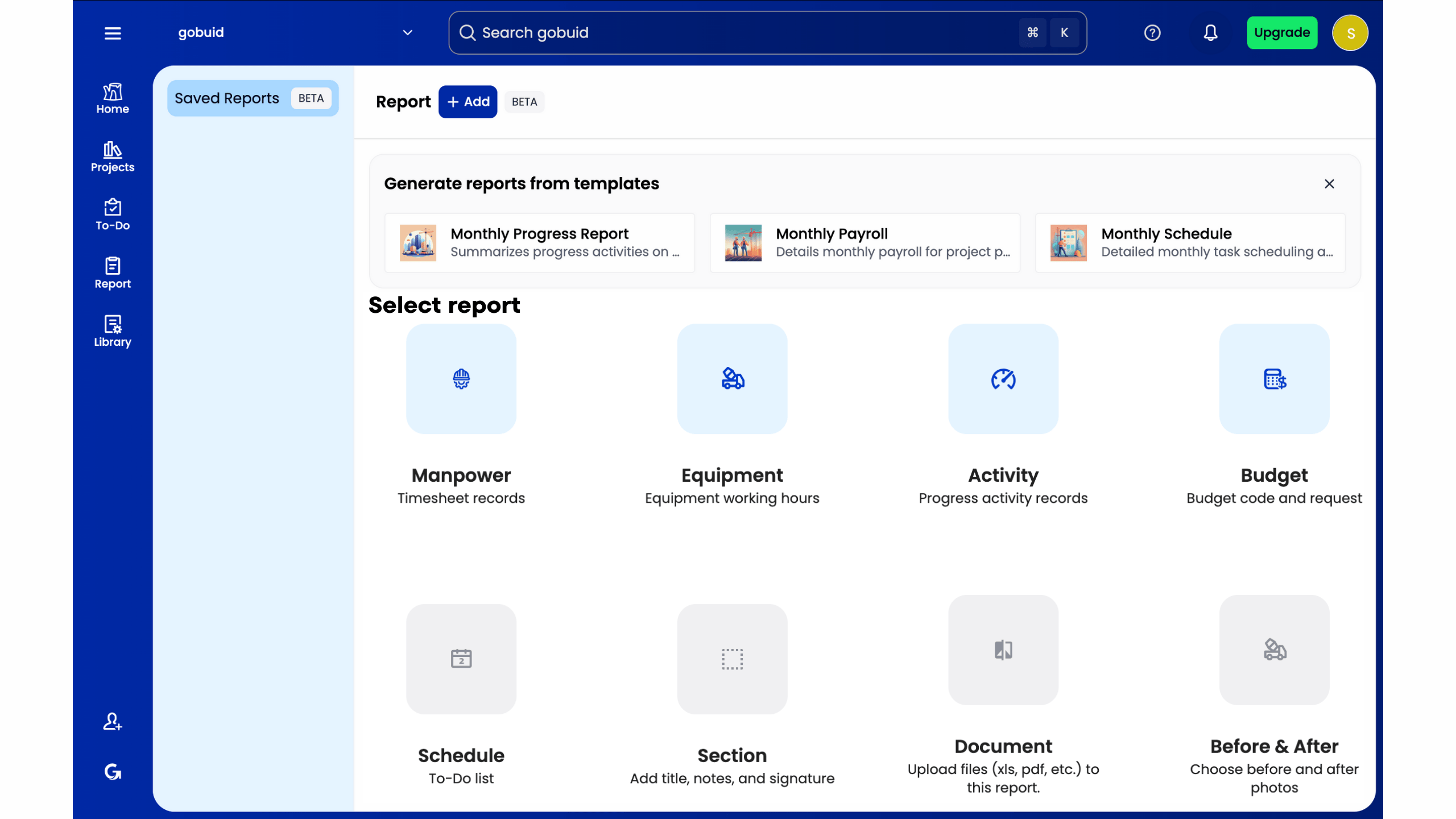
GoBuid turns raw field data into professional, audit-ready PDF reports instantly. You'll stop spending your evenings re-typing notes or chasing subcontractors for their daily logs. This shift saves several hours of administrative work each week, letting you focus on high-value site management instead of manual data entry.
Maintaining Quality Standards through Digital Inspections
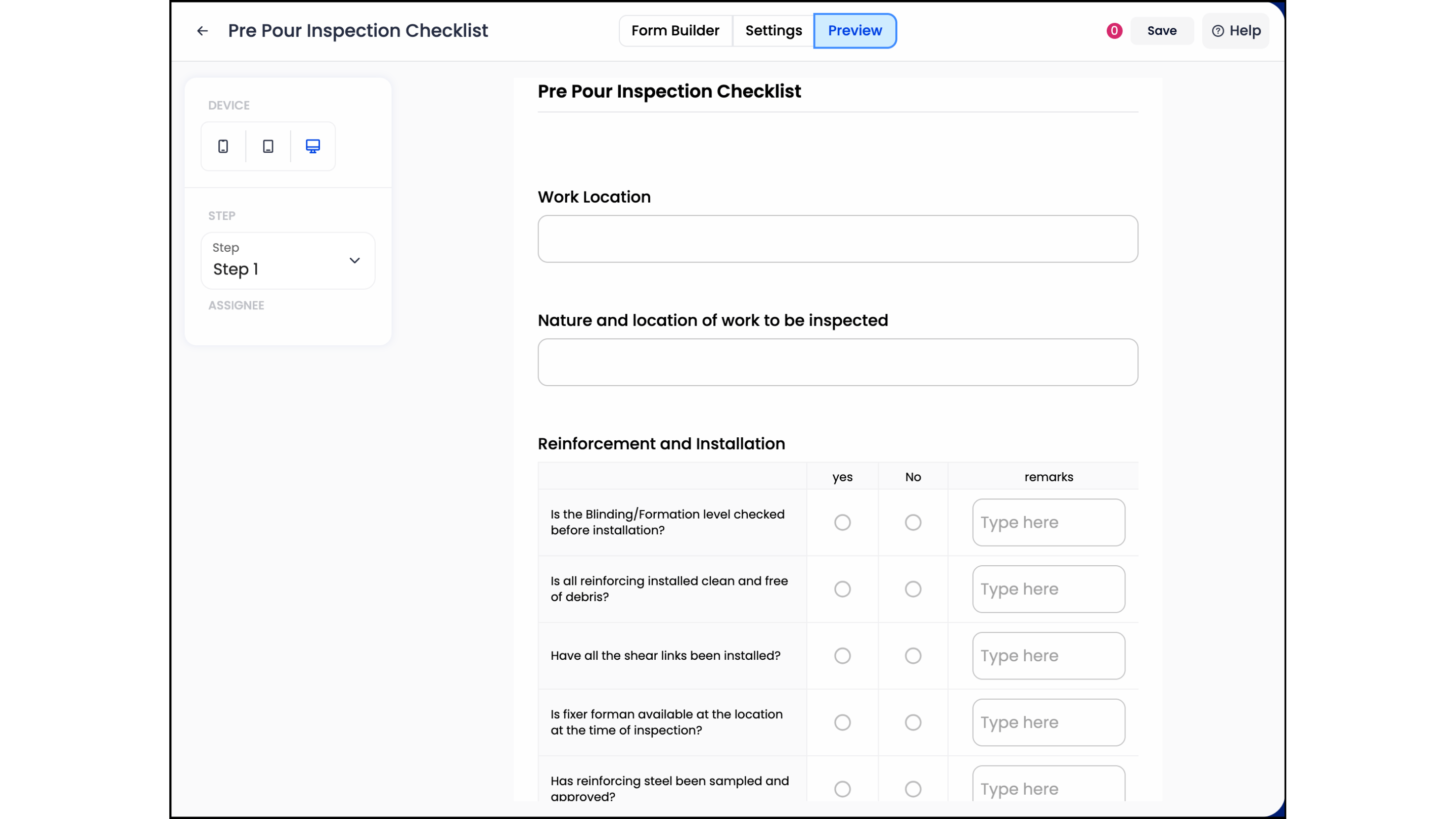
Digital forms ensure that no safety or quality checks are missed during the rush of a build. By mandating specific data points and progress photos, you create a permanent, timestamped record of compliance. This level of documentation is your best defense against future litigation or costly rework. It provides the total transparency required to satisfy owners and protect your firm's reputation. When you digitize your Safety & Quality Inspections, you aren't just checking a box; you're building a culture of accountability that translates directly to increased productivity and safer job sites.
Take Command of Your Field Operations
The role of the commercial construction superintendent has officially shifted from manual oversight to digital field leadership. Success in the current landscape requires a balance of trade expertise and data literacy to navigate rising material costs and strict safety regulations. By implementing a Digital Site Diary, you establish total transparency for every stakeholder while protecting your project from liability. Real-time manpower and equipment tracking replaces outdated manual tallies, ensuring subcontractor accountability and schedule alignment.
You don't have to stay buried in administrative tasks to maintain control. Modern tools allow you to reclaim your time and focus on the physical build. Professional reports that used to take hours are now generated in seconds, providing accurate records for faster project closeouts. It is time to lead with the precision that modern construction demands. You have the skills to manage the site; now you have the tools to master the data.
Stop wasting hours on paperwork; generate your daily reports in one click with GoBuid.
Regain control of your workflow and drive your project toward high-quality execution with confidence.
Frequently Asked Questions
What is the difference between a project manager and a commercial construction superintendent?
The commercial construction superintendent manages the physical job site while the project manager handles the administrative and financial aspects from the office. Superintendents focus on daily field operations, subcontractor coordination, and safety compliance. Project managers prioritize budget tracking, contract negotiations, and client communication. Both roles must collaborate closely to ensure the project meets its milestones without cost overruns.
How much time should a superintendent spend on paperwork daily?
A superintendent should spend no more than 30 to 60 minutes on administrative tasks each day. Traditional manual methods often consume two to three hours of valuable field time. By using digital tools to generate reports in one click, you reclaim that time for site supervision. Efficiency depends on capturing data in real-time rather than waiting until the end of the shift to record events.
Can construction management software really replace a physical site diary?
Yes; a Digital Site Diary is a superior replacement for a physical logbook. It provides total transparency by allowing you to attach progress photos and timestamped entries that are instantly accessible to the office. Unlike paper diaries, digital records are searchable and secure. This ensures you have a permanent, audit-ready history of the project to protect against future claims or disputes.
What are the most important safety inspections a commercial superintendent must perform?
Superintendents must prioritize inspections for high-risk activities like falls, trenching, and silica exposure. You also need to conduct regular heat illness prevention checks as part of OSHA's current National Emphasis Program. Ensuring compliance with the updated Hazard Communication Standard for chemical labeling is another critical task. Using customized forms for these inspections guarantees that no safety protocols are overlooked during busy operational phases.