Hong Kong Fire at Tai Po: Digital Safety Can Prevent the Next Construction Disaster
The Hong Kong Fire tragedy exposed critical construction safety failures. Learn how GoBuid's digital software enforces accountability to prevent future disasters like the Tai Po blaze.
by Sam Chen
|
The deadly fire at Wang Fuk Court in Hong Kong, which tragically claimed 159 lives, has brought into sharp focus the severe and systemic failures in construction safety and accountability in the city. This devastating blaze, exacerbated by high-rise buildings wrapped in bamboo scaffolding and flammable construction materials during maintenance, serves as a brutal reminder that safety regulations written in blood must be rigorously enforced. The investigation has highlighted two critical weak points: the lack of stringent safety inspection and the failure of documented accountability for construction materials.
The Crisis of Compliance: Unsafe Materials and Failed Inspections caused Hong Kong Fire
Investigations revealed that the rapid spread of the fire was fueled by construction materials like expanded polystyrene foam boards covering windows and protective netting used around the scaffolding. Officials confirmed that seven of 20 tested samples of the safety netting used did not meet fire-retardant standards.
6-minute overview of the Hong Kong Fire:
This catastrophic material failure was not due to a lack of warnings. Authorities, including the Labour Department, had inspected the Wang Fuk Court renovation project 16 times since July 2024 and issued multiple written warnings to contractors to comply with fire safety requirements, with the final inspection occurring just one week before the fire. Yet, substandard, cheaper netting was allegedly put in hard-to-access areas to evade detection by inspectors. Hong Kong's Chief Secretary commented that contractors involved in the scandal "just wanted to make money at the expense of people’s lives". In addition to material issues, fire alarms in none of the eight towers activated during the blaze.
This lack of safety inspection efficacy, coupled with alleged document forgery related to renovation materials, underscores a critical lapse in the construction project chain.
The Solution to Prevent Tragedy of Hong Kong Fire: Leveraging Construction Software for Accountability
The path forward, in Hong Kong and for global construction safety, must involve systemic reform. Utilizing construction management software offers a powerful mechanism to significantly reduce the chance of such tragedies by establishing clear, non-negotiable records and enforcing real-time accountability.
1. Material Approval Record and Signature:
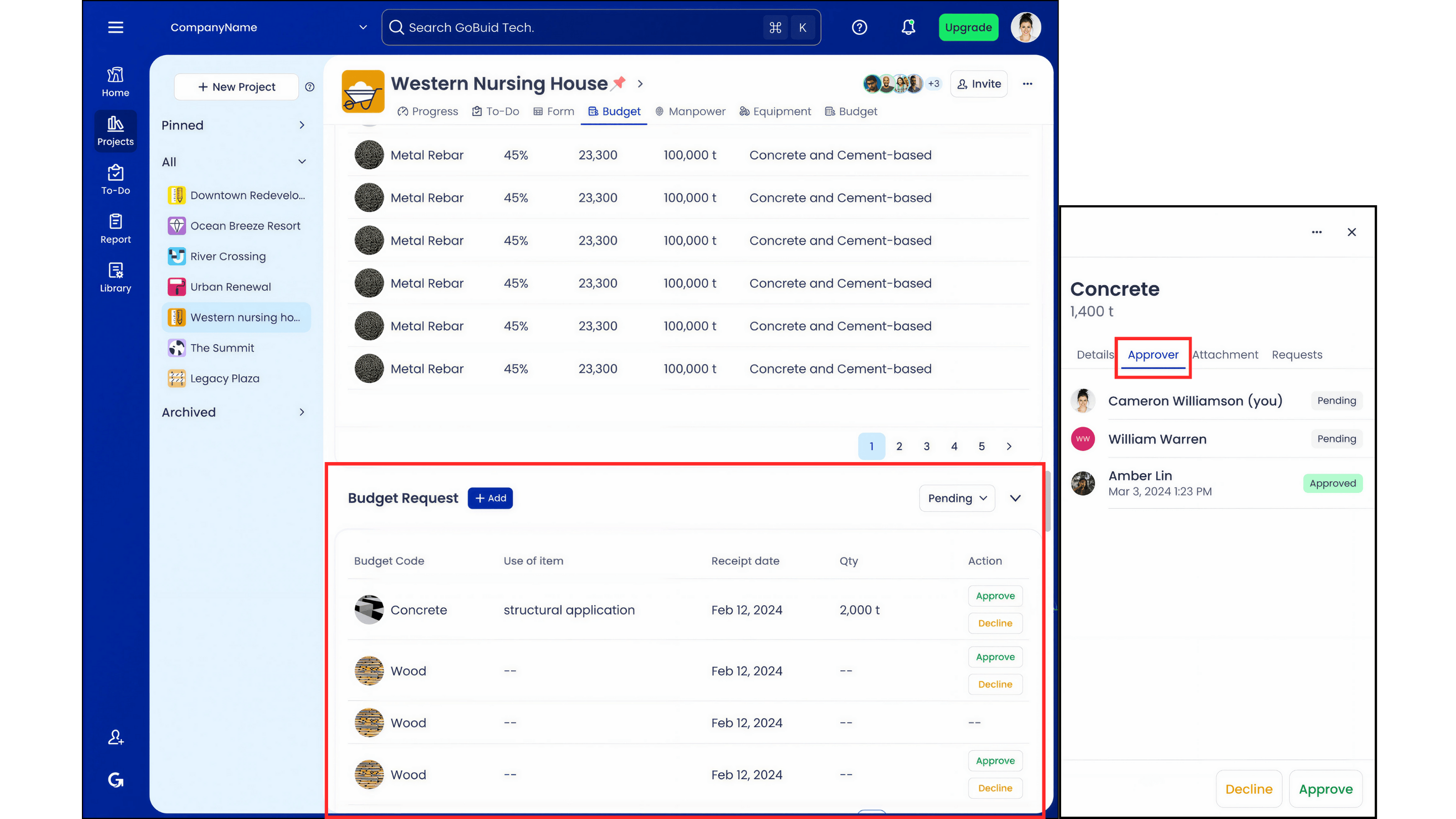
Digital platforms can enforce strict adherence to material safety standards by transparent accountability. GoBuid’s Construction software can require approval for every material order. This material approval process would necessitate a material approval record and signature from authorized professionals at multiple stages (procurement, site delivery, installation). This level of digital documentation makes it much harder to use non-compliant or fraudulent materials. An immediate and traceable audit trail prevents contractors from misleading inspectors by using non fire-resistant netting or other materials that do not meet fire-safety standards.
2. Digital Safety Inspection Forms:
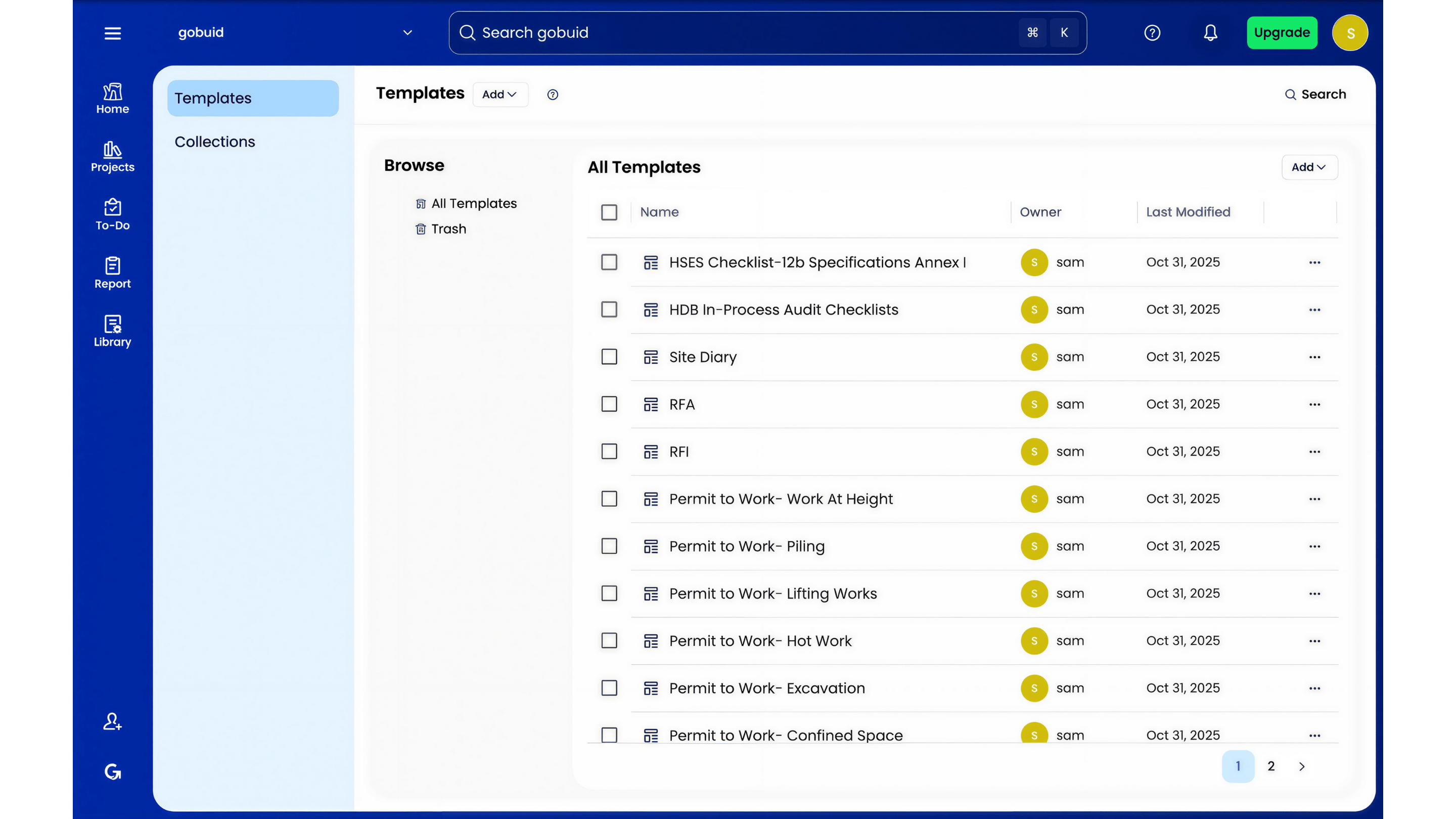
Digital safety inspection forms mandated through construction management software can revolutionize safety checks. Instead of relying on paper compliance, mandatory digital sign-offs, photo evidence, and GPS-tagged inspections enforce scrutiny across the entire site. GoBuid’s forms can track compliance with fire safety systems, ensuring the proper installation and effective operation of critical equipment like fire alarms. Beyond fire alarm checks, GoBuid’s forms are not limited to any single use case; they allow builders to customize virtually any type of form they require. For example, teams can create site diaries, quotations, invoices, permits to work, safety inspections, quality inspections, and more. This proactive use of software would reduce the reliance on "grandfathered luck" or the culture of tolerating dangerous conditions.
In Conclusion
By adopting construction software to digitize and standardize safety protocols, we can reinforce accountability, especially concerning the supervision and responsibilities of regulatory personnel across all project stages. Implementing these technological solutions can help improve Hong Kong construction safety and enhance global construction safety standards, ensuring that lessons learned from devastating events like the Wang Fuk Court fire result in enforceable, lasting change.