How to Improve Construction Client Communication: A Data-Driven Strategy
Stop project failures. Discover how to improve construction client communication using data-driven automation to build trust and protect your bottom line.
by Sam Chen
|
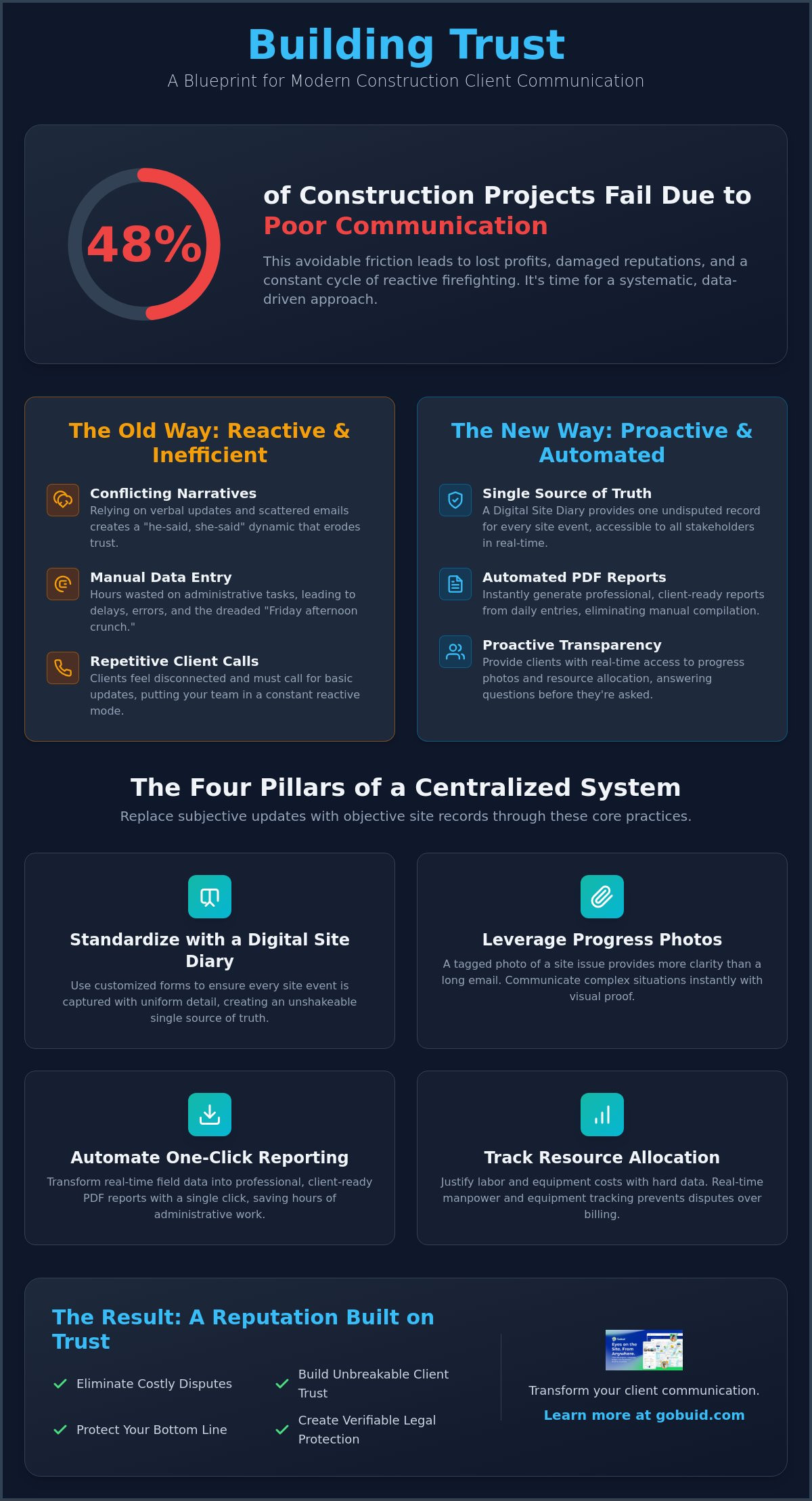
Forty-eight percent of construction projects fail due to poor communication. This statistic represents more than just a data point; it highlights the lost profit and damaged reputations caused by avoidable friction. You likely spend your evenings buried in manual data entry or answering repetitive phone calls from clients who feel disconnected from the project. It is an inefficient cycle that drains your productivity and keeps you reactive rather than in control.
You can break this cycle by mastering how to improve construction client communication through a precise, data-driven strategy. This guide shows you how to eliminate disputes and build client trust by replacing manual updates with automated, real-time documentation. We will preview the shift toward automated reporting workflows that ensure total transparency across every site event. By the end, you will understand how to transition from chaotic manual tracking to a professional, centralized system that protects your bottom line and your reputation.
Key Takeaways
- Shift from reactive firefighting to proactive transparency by establishing a systematic exchange of project data, progress, and risks.
- Eliminate conflicting project narratives by using a Digital Site Diary as your team’s single source of truth for every site event.
- Discover how to improve construction client communication by replacing fragmented manual updates with automated, real-time documentation.
- Transform raw field data into professional, client-ready PDF reports instantly to eliminate the administrative burden of the "Friday afternoon crunch."
- Standardize data collection with customized forms to ensure consistent detail across all operational locations and project phases.
- ⭐ Learn more about GoBuid's feature - without the heavy enterprise price tag
Table of Contents
The Foundation of Construction Client Communication
Communication in this industry is the systematic exchange of critical project data, site progress, and emerging risks. It's the connective tissue between the job site and the stakeholders. To understand how to improve construction client communication, you must shift from reactive updates to a culture of proactive transparency. Relying on answering complaints or clarifying confusion after the fact is a recipe for project failure. Research indicates that 48% of construction projects fail specifically due to poor communication. You need a better way to distribute facts before they become friction.
To better understand this concept, watch this helpful video:
Many project managers rely on "soft skills" and personal relationships to manage clients. This is a mistake. While rapport matters, it doesn't provide the legal or financial protection of a verified paper trail. On federal projects, for instance, FAR Part 4 requires contractors to maintain records of all significant contract-related communications. The Foundation of Construction Client Communication rests on objective data, not just verbal agreements. Real-time project documentation reduces client anxiety by providing immediate proof of progress. It transforms the project narrative from subjective opinion into a verifiable data set.
Moving Beyond the "End-of-Day" Phone Call
Verbal updates and unorganized email threads are inefficient. They create information gaps that lead to mistrust. Learning how to improve construction client communication requires abandoning these outdated methods. When a client has to call you to find out what happened on-site, you've already lost the lead. Delayed reporting creates a vacuum usually filled by assumptions or disputes. You need a unified digital environment where stakeholders can access a Digital Site Diary and view progress photos instantly. Centralizing these disparate operational locations into one source of truth eliminates the "he-said, she-said" dynamic. It ensures everyone works from the same set of facts, every single day.
Standardizing Information with a Digital Site Diary
Conflicting project narratives are the primary source of client friction. When the office reports one thing and the field observes another, trust evaporates. Establishing a single source of truth is the most effective way to understand how to improve construction client communication. By utilizing customized forms, you ensure every site event is captured with uniform detail. This standardization bridges the gap between field operations and office management, making site diaries instantly accessible to all stakeholders.
Site teams often struggle with the "Friday afternoon crunch" when trying to compile disparate notes. Moving to a digital environment allows for automated one-click reporting based on daily entries. This shift from manual logs to real-time data entry ensures that your client receives facts, not filtered memories. If you want to maintain a professional reputation, you must replace subjective updates with objective site records. It's about creating a culture of accountability where data speaks louder than excuses.
The Power of Progress Photos and Documentation
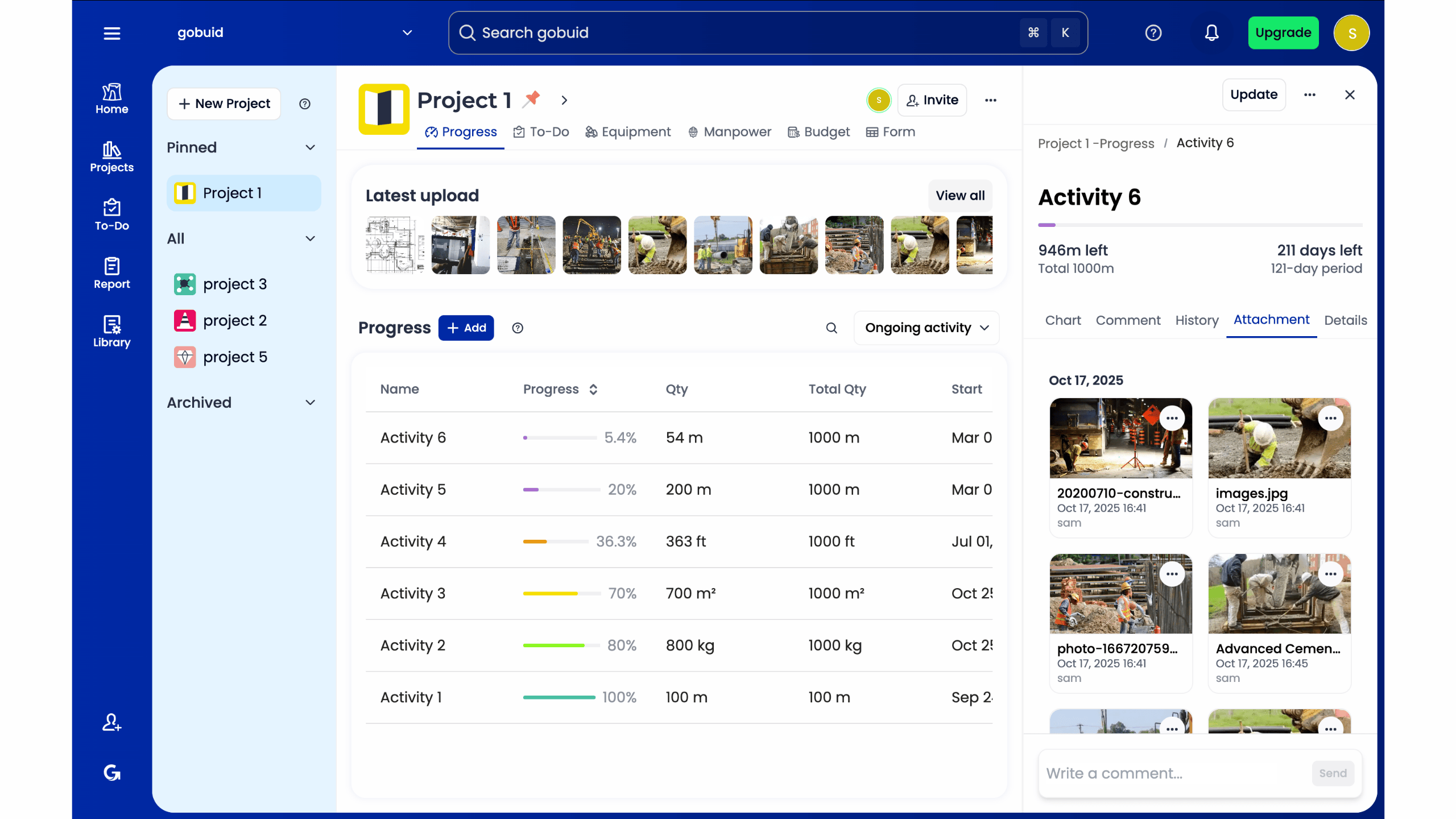
Visual proof is the most efficient way to communicate complex site issues. A photo of a structural obstruction carries more weight than a thousand-word email. Implementing progress documentation best practices involves tagging photos to specific tasks or locations. This provides immediate context for the client. They don't just see a problem; they see exactly where it is and how it impacts the schedule. It's about providing clarity without the need for an hour-long meeting.
Tracking Resource Allocation for Total Transparency
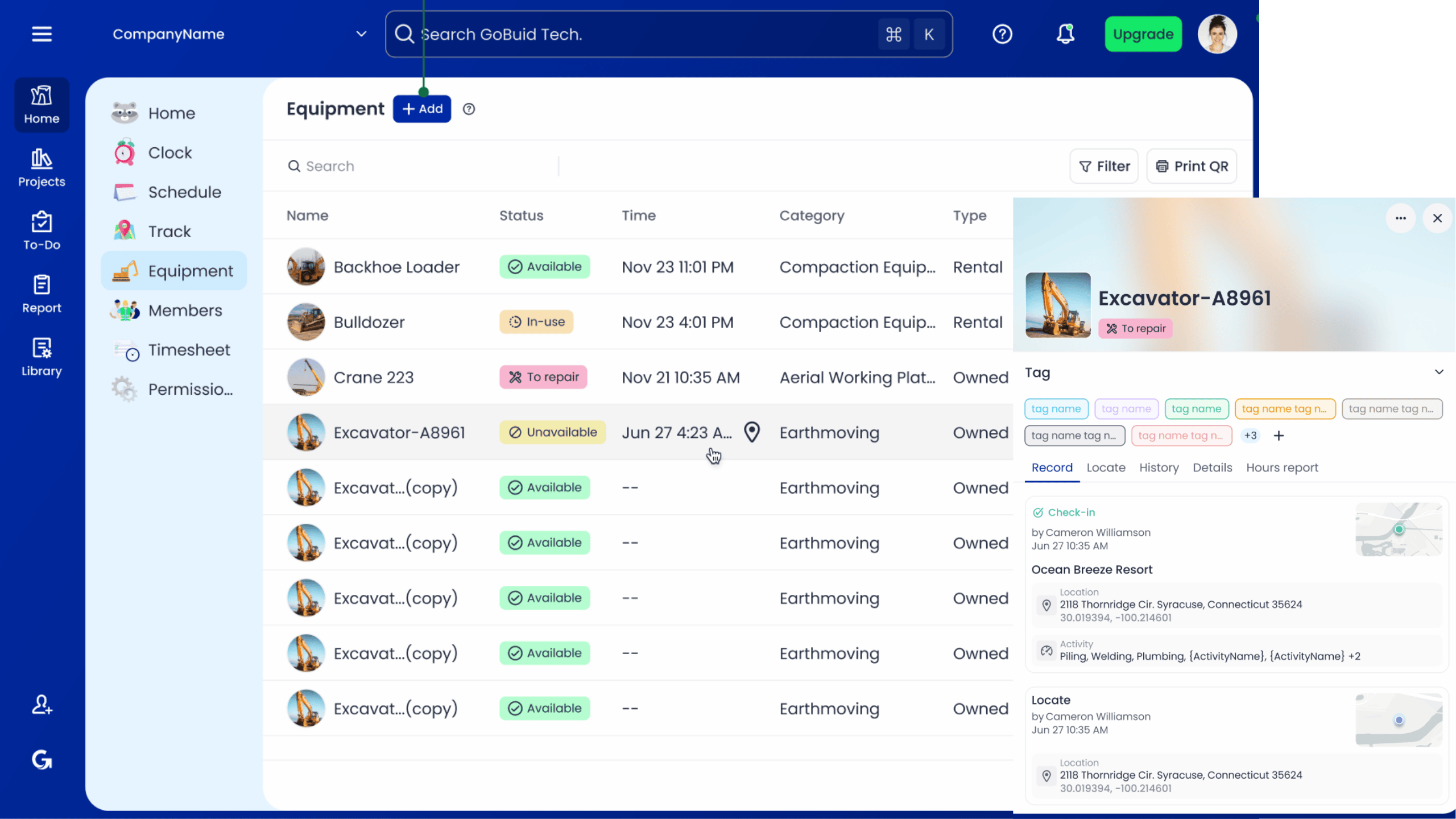
Disputes often arise over labor costs and equipment rental fees. Real-time manpower tracking allows you to justify these expenses with hard data. Effective equipment management tracks usage and downtime, preventing arguments over rental costs. Learning how to improve construction client communication involves moving from verbal promises to digital proof. When you can show exactly when a machine was active or why a specific crew size was necessary, you eliminate guesswork. This level of transparency builds a professional authority that clients respect. You can explore these features further to see how centralization drives project efficiency.
Closing the Loop with Automated One-Click Reporting
Manual logs are a liability. They take hours to compile and often lack the professional polish sophisticated clients expect. To understand how to improve construction client communication, you must automate the final mile of data delivery. Transforming raw site data into a professional, client-ready PDF report should be an instantaneous task. This eliminates the "Friday afternoon reporting crunch" where project managers scramble to remember details from Monday morning. Instead, you set a cadence for automated updates that keeps clients informed without any manual intervention.
Centralizing your data allows you to provide more than just daily updates. Utilizing a Project Analytics Dashboard provides clients with high-level insights into budget and schedule. This data-driven approach allows you to proactively address potential delays before they escalate into friction. It moves the conversation from defensive explaining to collaborative problem-solving.
Building Trust Through Professionalism
Consistent, structured reporting has a profound psychological impact on client retention. High-quality, branded reports reflect your company’s operational excellence and commitment to transparency. When a client receives a clear, data-backed document every week, their anxiety drops. You don't just tell them the project is on track; you prove it with evidence. You can explore one-click reporting to see how quickly these professional documents are generated.
Data-Driven Dispute Resolution
Historical site diary data is your strongest defense against "Scope Creep" and "Delay Claims." If a dispute arises, you can settle it instantly by pulling timestamped, unalterable digital records. Unlike manual paper logs which are easily lost or prone to error, digital documentation provides absolute protection for your bottom line. This connection between field events and office records ensures that every decision is backed by a unified data point. It is the most effective way to maintain total accountability throughout the project lifecycle.
Master Your Project Transparency
Effective management requires moving beyond reactive communication. You've seen how establishing a digital source of truth and standardizing site data eliminates the information gaps that cause disputes. By mastering how to improve construction client communication through automation, you reclaim hours previously lost to manual administrative work. You move from defending your progress to proving it with timestamped evidence and professional documentation.
The transition to a data-driven strategy isn't just about efficiency; it's about protecting your profit margins and your reputation. High-quality reporting reflects a high-quality operation. You can capture progress photos and site diaries on the move, ensuring no detail is lost between the field and the office. This level of centralization ensures your team remains productive while your clients stay informed and confident in your execution.
Stop wasting hours on manual reports, try GoBuid for free today. You can generate professional reports in one click and experience the benefits of a streamlined, centralized workflow. With no lock-in contracts, you have the maximum flexibility to scale your operations as your business grows. Take control of your project data and start building stronger client trust immediately.
Frequently Asked Questions
How often should I communicate progress to a construction client?
Daily updates are the industry standard for maintaining high-level transparency. Providing real-time access to progress photos and site events prevents the information gaps that lead to client anxiety. Consistent data entry ensures the client stays informed without needing to call for updates. This proactive approach builds a reputation for reliability and operational excellence while keeping your team focused on field execution.
What is the best way to handle communication during a project delay?
Address the delay immediately by presenting objective data from your digital site diary. Provide timestamped photos or weather records to document the root cause of the schedule shift. This transparency prevents disputes and demonstrates that you're managing the situation with a clear, data-backed plan. It's a critical strategy for how to improve construction client communication when facing unexpected site challenges.
How can digital tools help reduce construction disputes?
Digital tools reduce disputes by creating a centralized, unalterable record of every site event. When you track manpower, equipment, and progress in one system, you eliminate the ambiguity of manual logs. This data provides immediate evidence to resolve scope creep or schedule conflicts. It moves the conversation from subjective opinions to verifiable facts, ensuring that your professional authority remains unchallenged.
What information must be included in a construction daily report?
Every daily report should include site weather, manpower tracking, equipment status, and detailed progress photos. You must also record safety inspections and any specific site risks identified during the shift. Using customized forms ensures that no critical data points are missed. This standardized approach is fundamental to how to improve construction client communication and maintaining total project accountability from start to finish.